

Personalise your raffle with colours, images, prize descriptions and customisable ticket bundles.

Manage your raffle effortlessly with e-tickets, in-person sales, and participant reports.

Keep 100% of the money for your mission with zero fees—we even cover credit card costs.
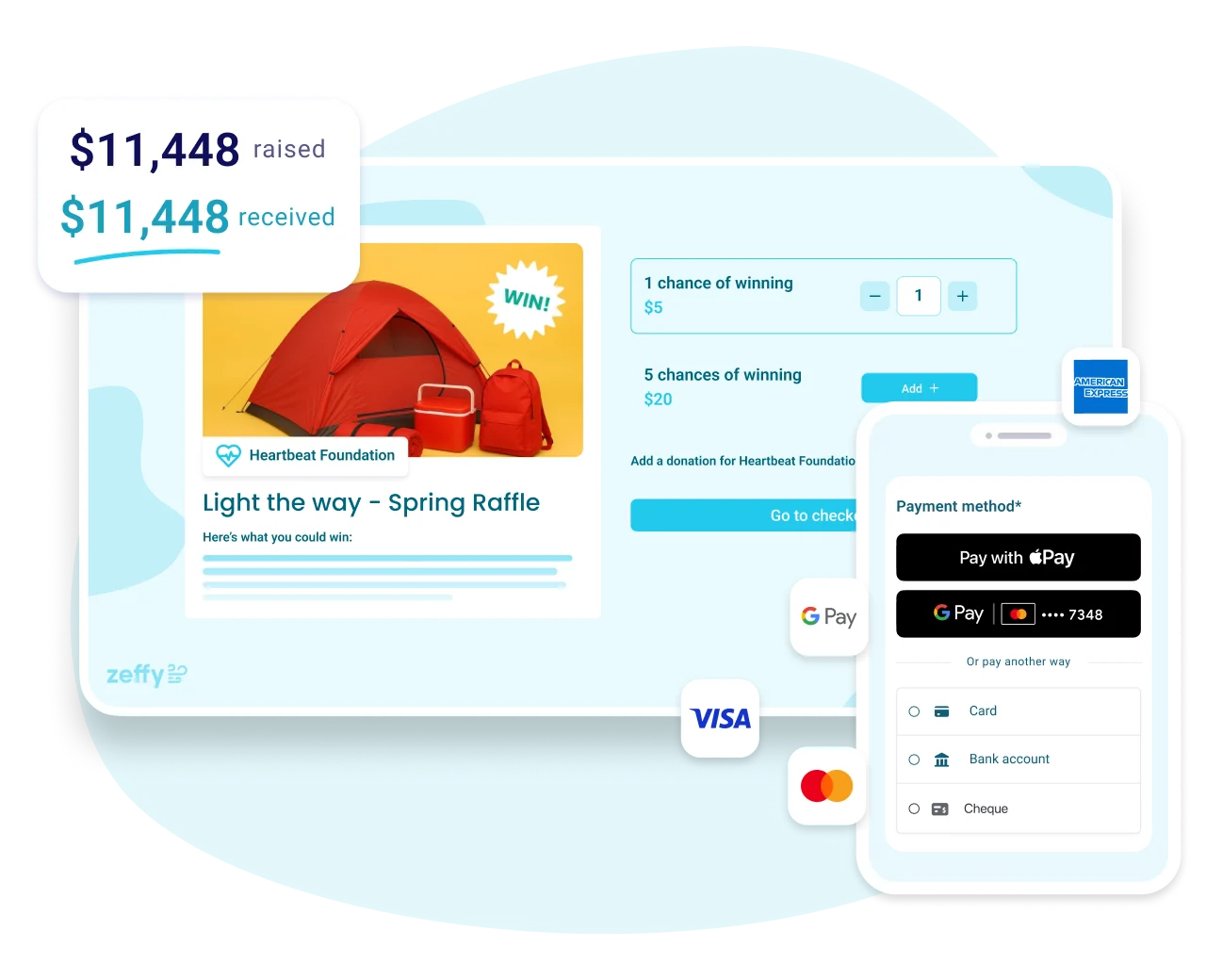



















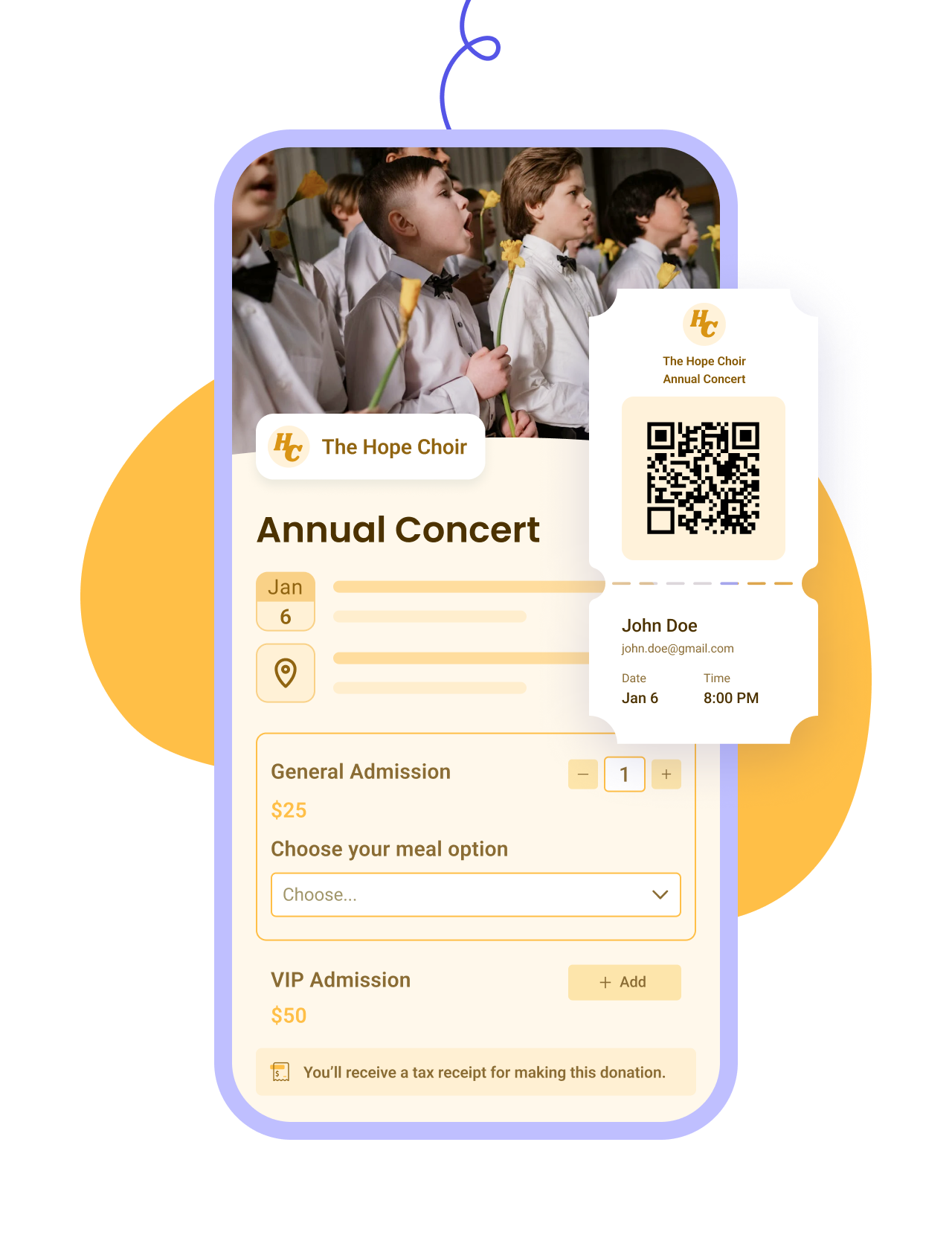
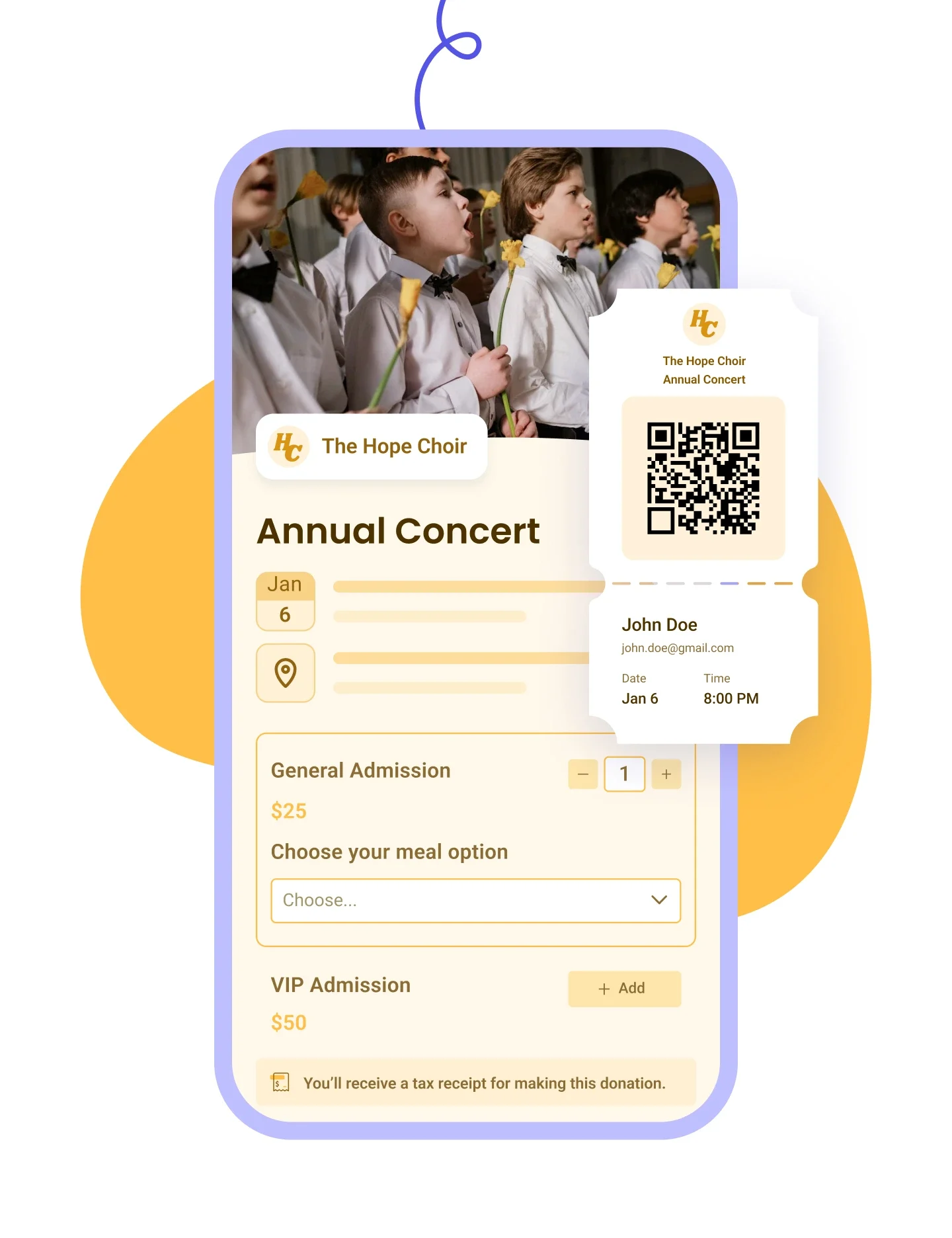


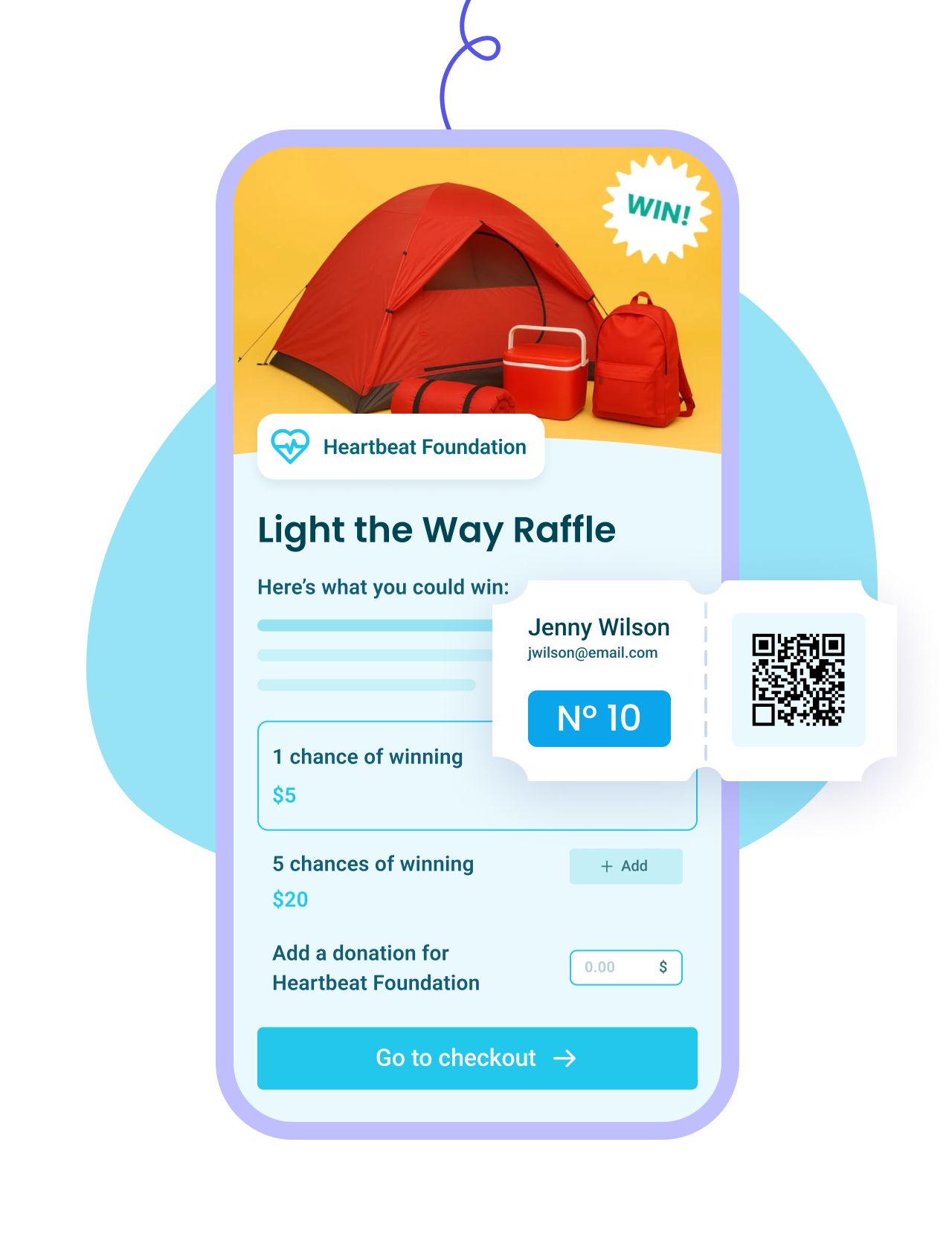
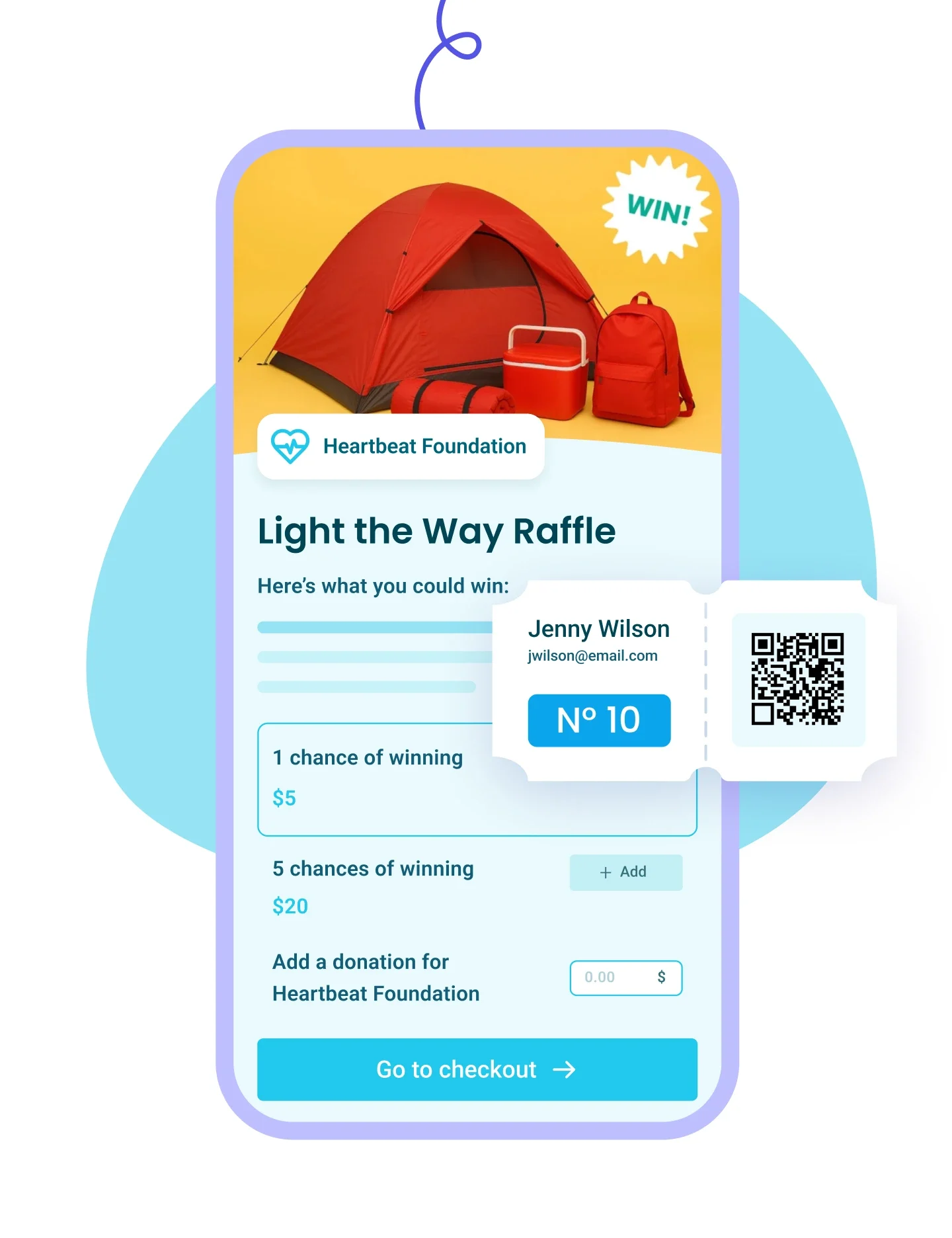


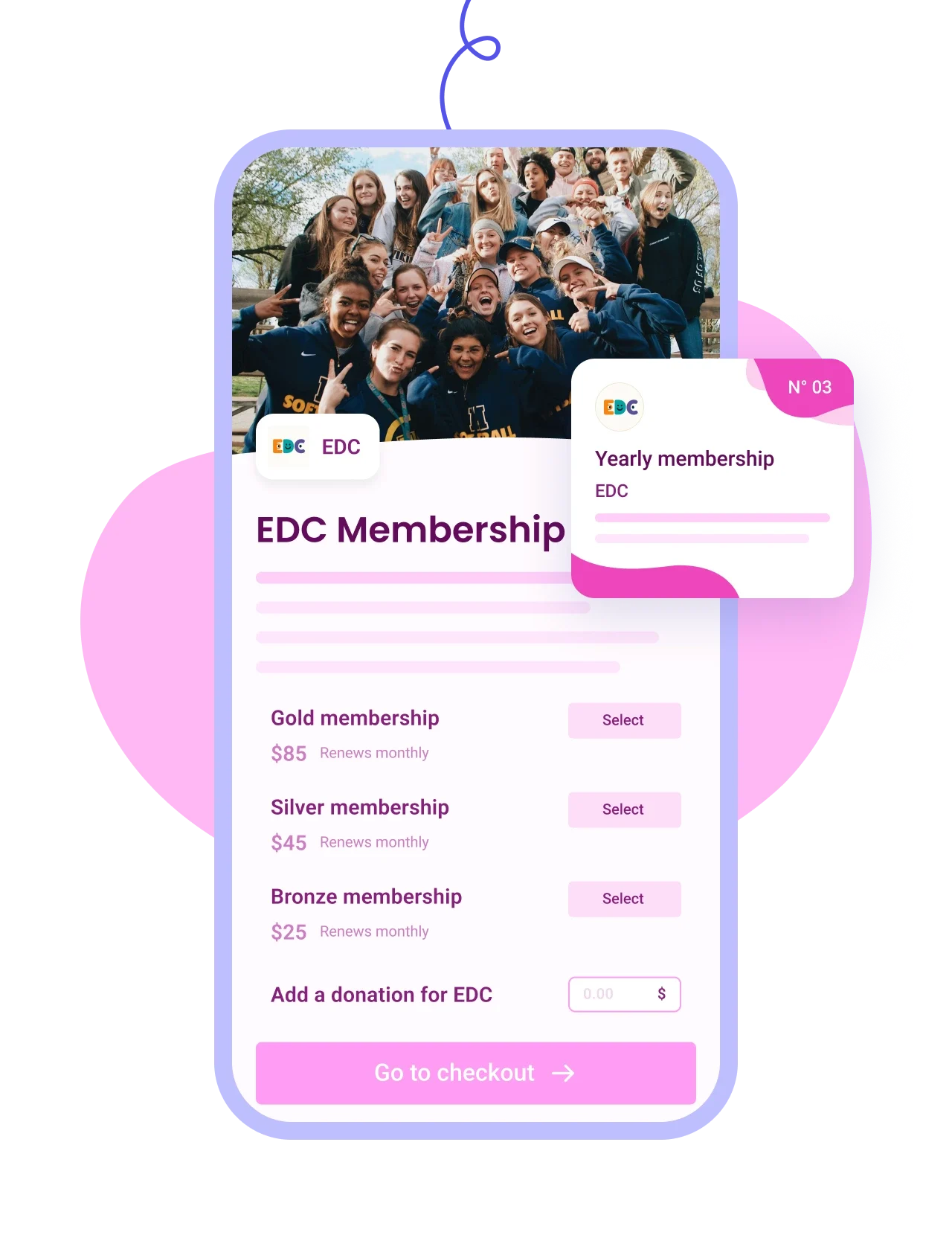
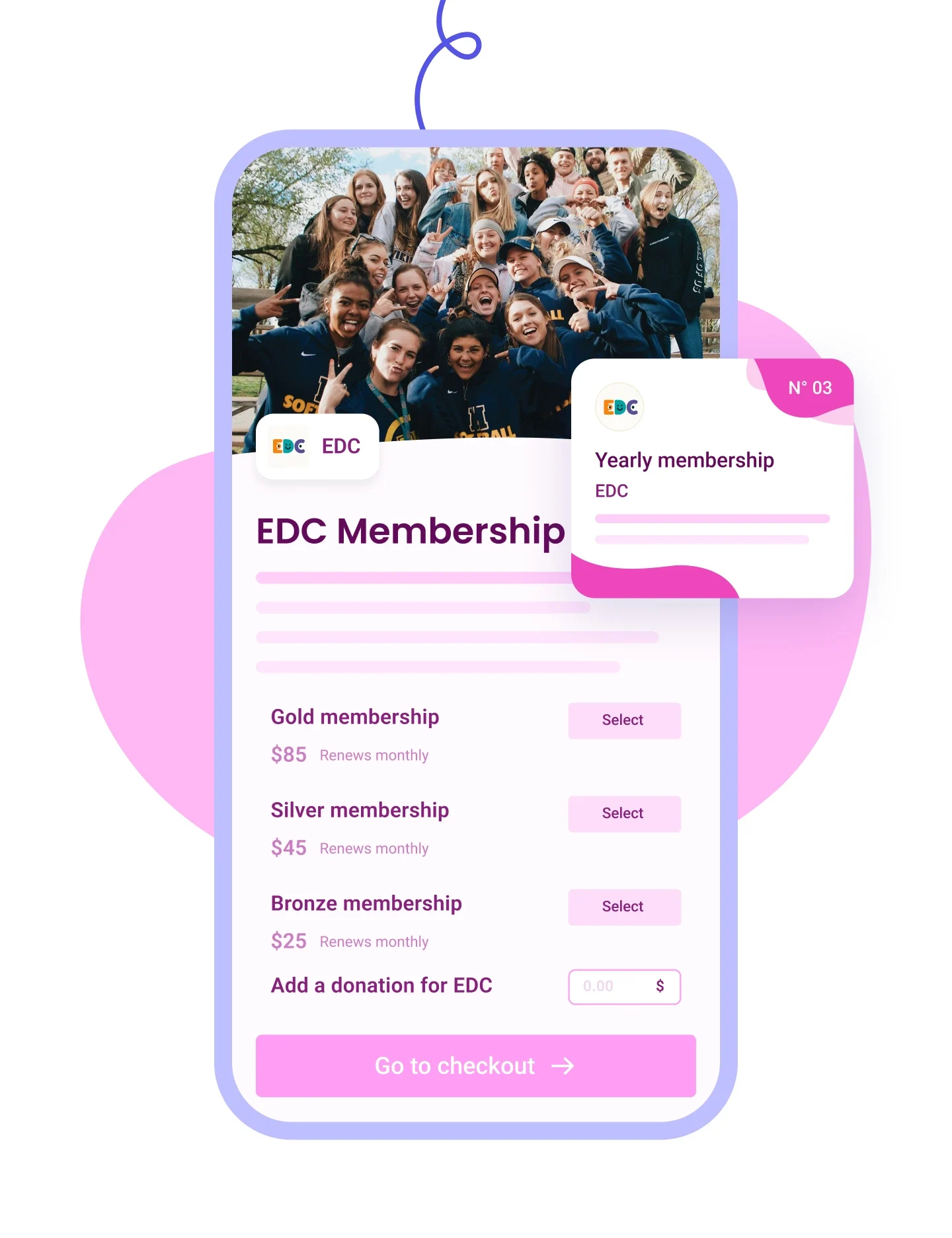


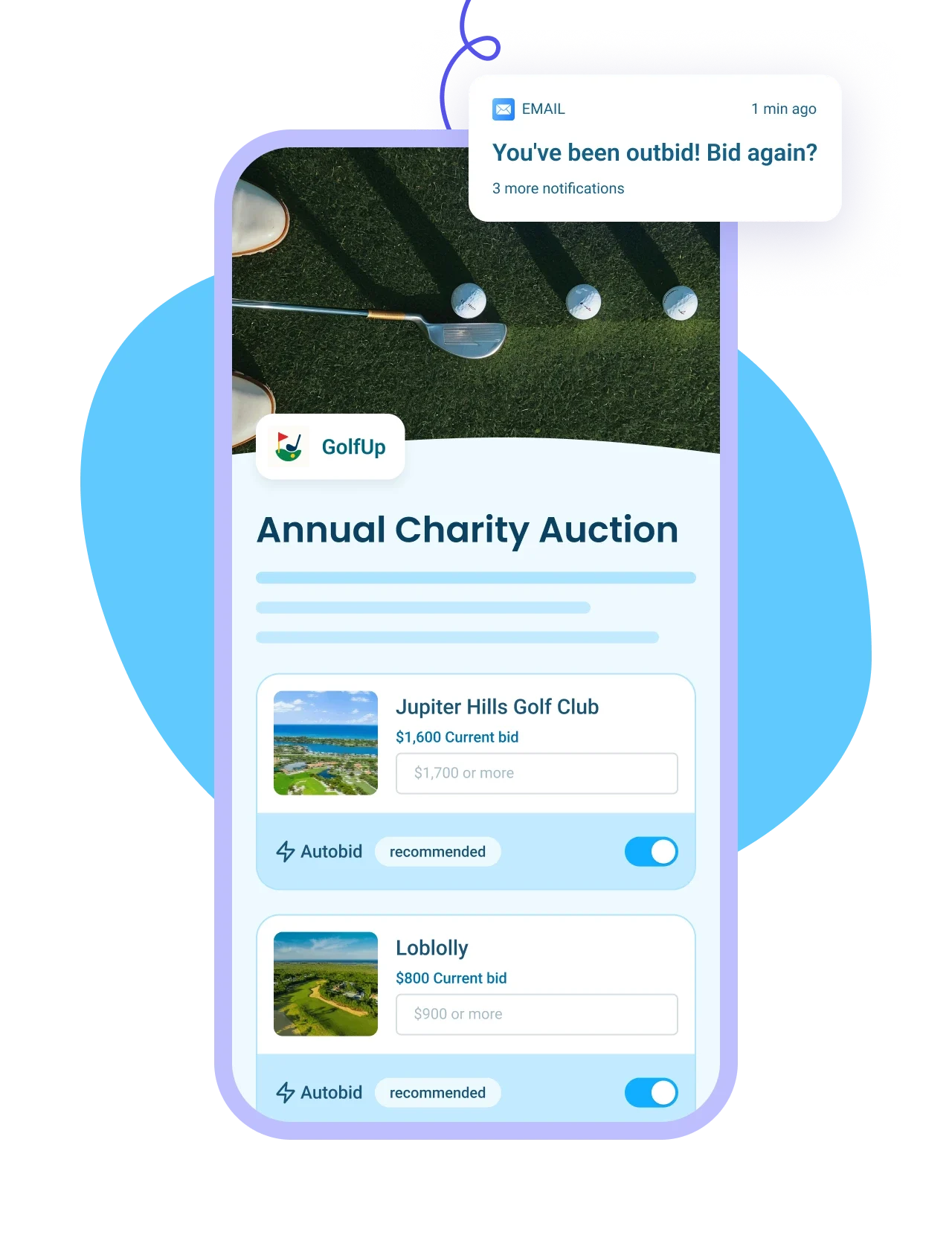
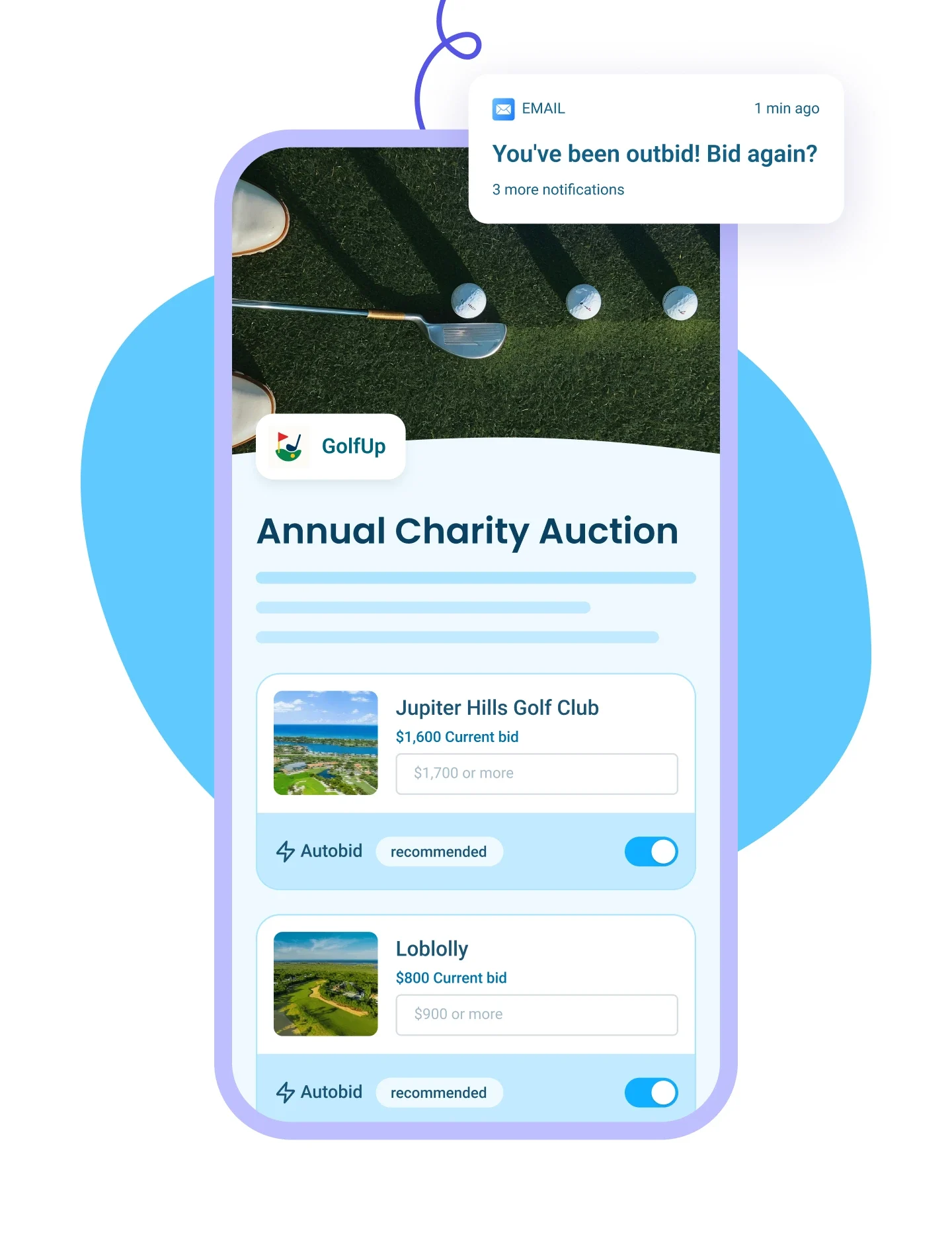


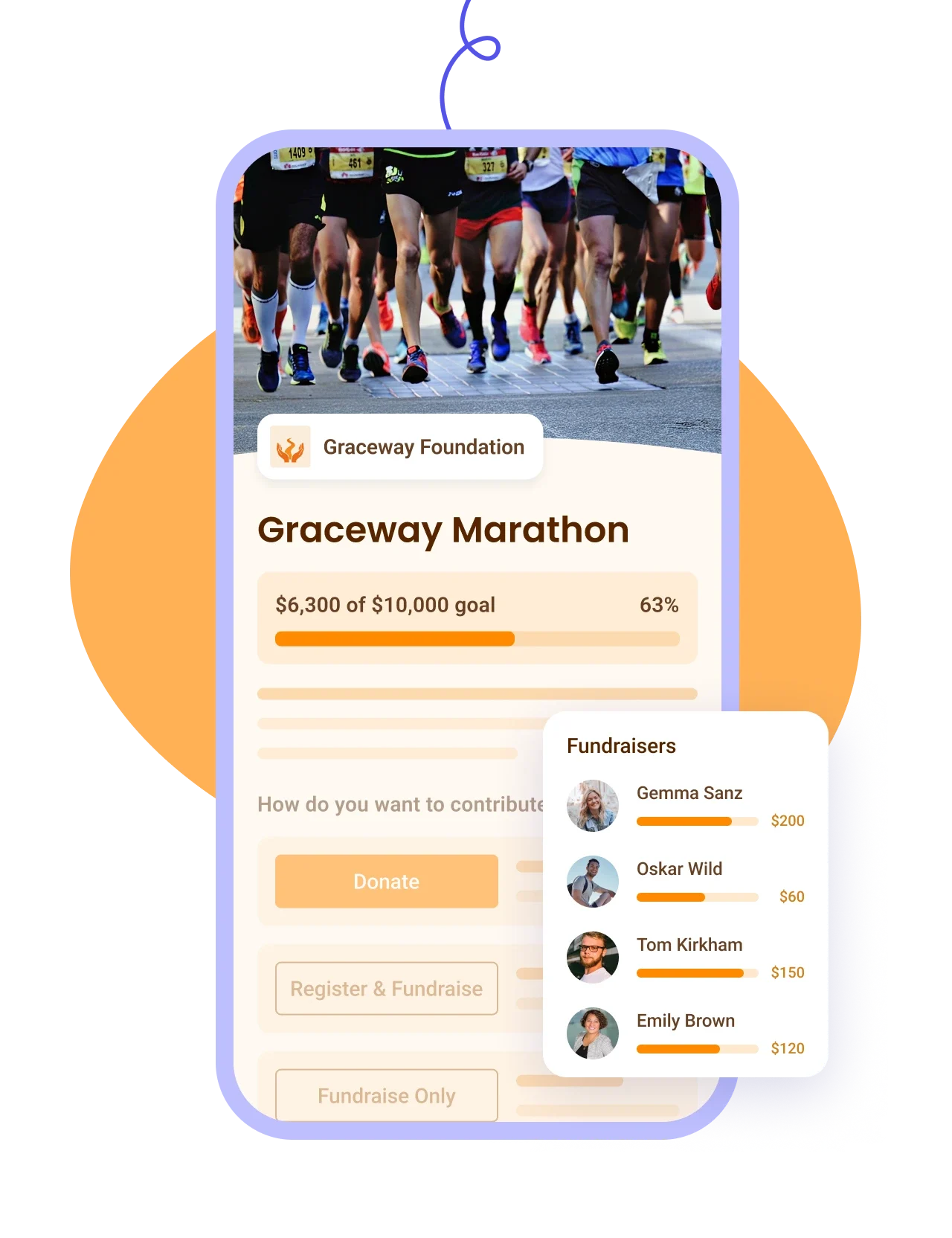
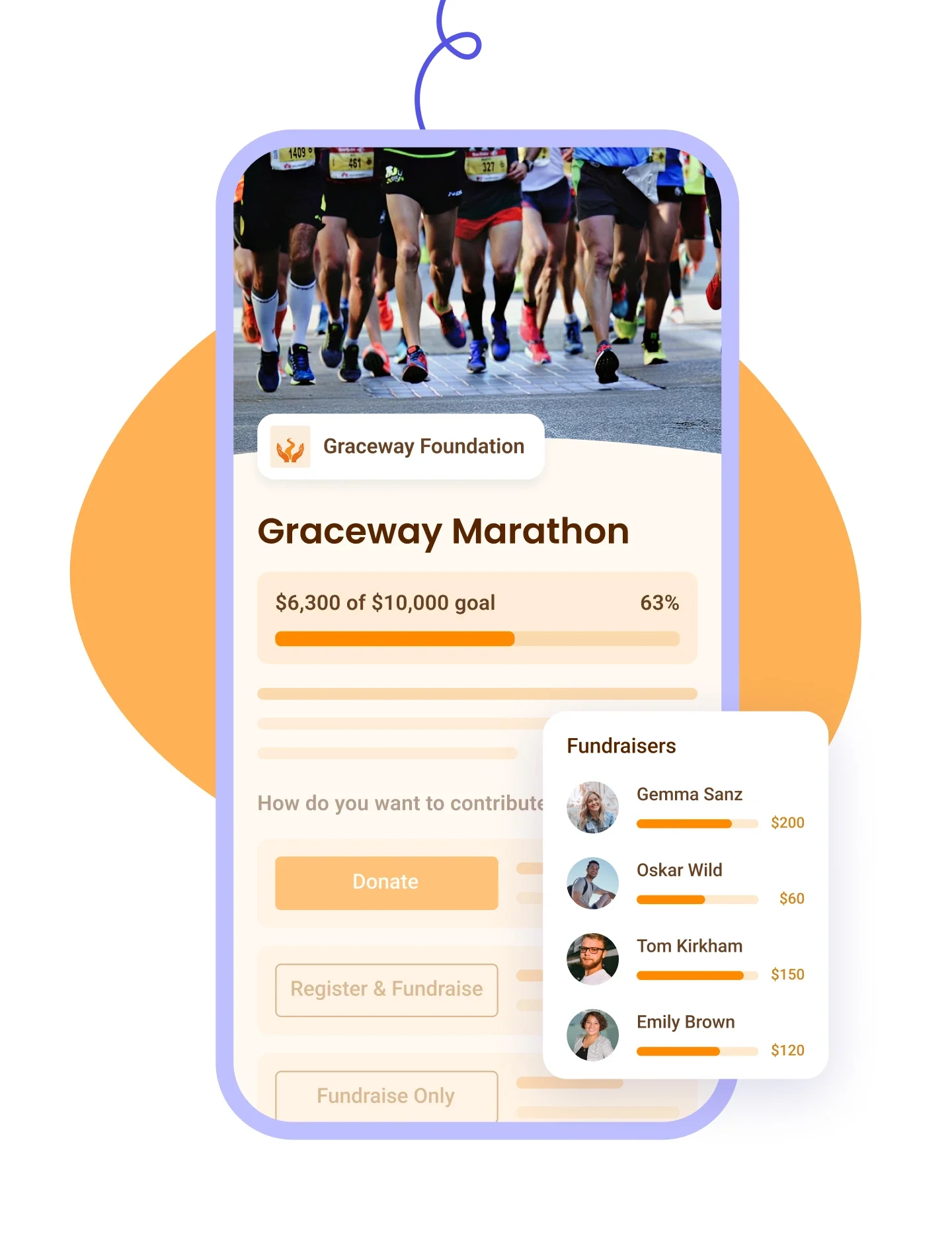


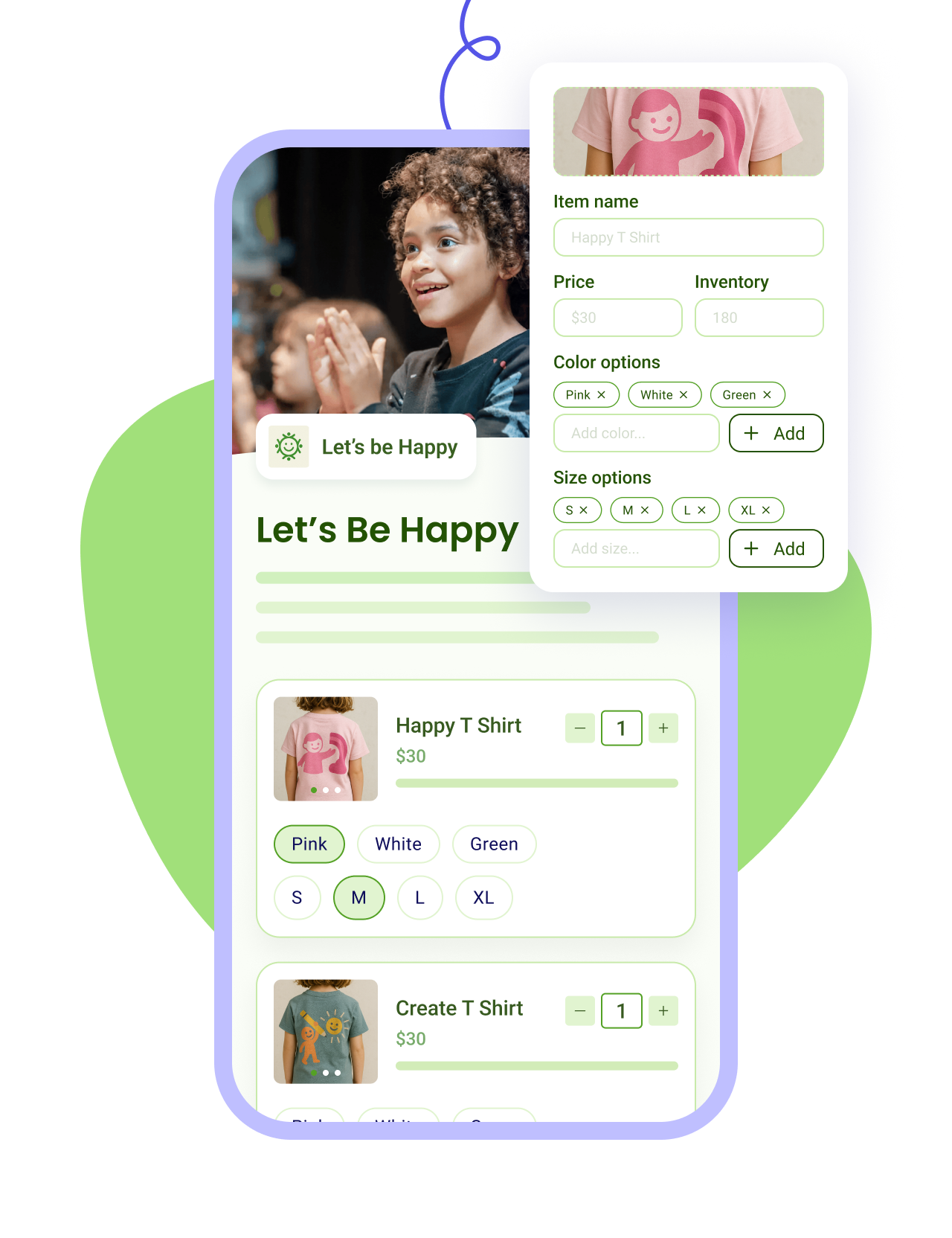
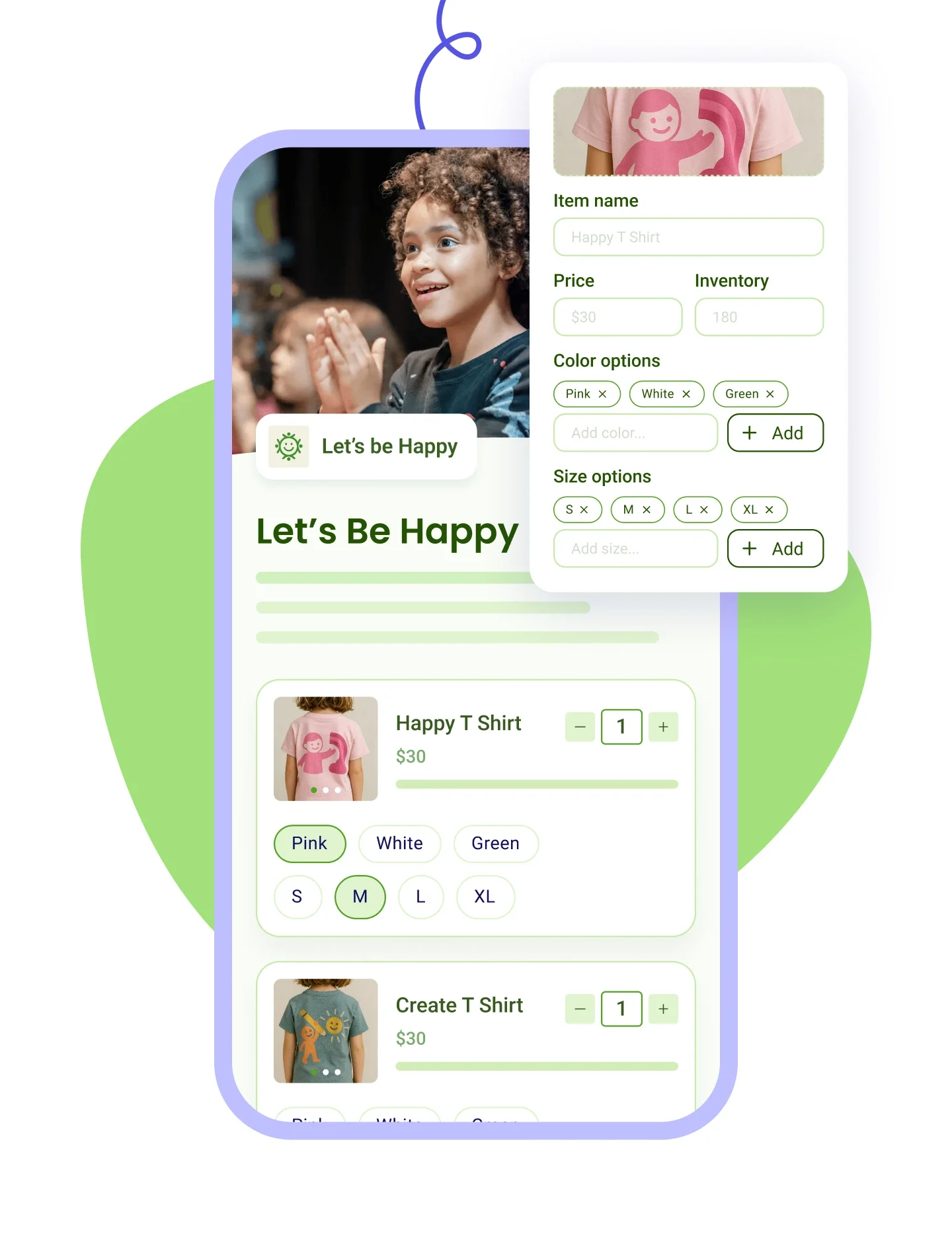



Customise the experience with multiple ticket bundles, prize descriptions, logos, colours, and images.
Share your form online with your supporters. They can use their favourite payment method to buy tickets.

Each ticket has a unique number and shows the buyer’s info. Tickets are automatically emailed to the participants.

Monitor participants, tickets, and more. When sales close, you can draw a winner from the list.

You will receive the entirety of your funds in your weekly payout. We never charged a penny to charities, and we never will.


Yes, and it stays free at any size. Sell a £10 raffle ticket and £10 reaches your account, whether you sell fifty of them or five thousand, because there's no platform fee, no per-ticket fee and no card fee coming out of it. Zeffy is funded by an optional contribution supporters can add at checkout, so your raffle keeps the whole pot either way.
One cost isn't ours to waive: the licence. Most charity raffles in Great Britain run as small society lotteries, which you register with your local licensing authority, currently £40 to register and £20 a year to renew. That fee goes to the authority, not to us.
Yes, and it's the same setup as any raffle with one addition: give the form a sales target, and supporters see a thermometer of the pot filling up, which is most of what makes a 50/50 work. Zeffy tracks what's raised, and you identify the winner by their ticket number from your dashboard. Paying the winner their half is something you arrange with them directly, outside Zeffy. Check your local raffle rules before you run one, since a 50/50 sits under the same gaming regulations as any other raffle and some places treat the split differently. Our 50/50 raffle guide covers pricing and promotion.
That's your call. You set the refund policy in your raffle terms, and Zeffy gives you two separate controls: refund the payment, in full or in part, and cancel the tickets. Cancelling voids the QR codes on those e-tickets and puts them back on sale if you'd capped how many were available. Some regulators have their own requirements here, so it's worth checking your local rules before you publish your terms.
Zeffy does both, and both run off the same raffle form. What changes is the limits your registration carries. A small society lottery is capped at £20,000 in ticket sales for a single lottery and £250,000 across the year, with a maximum single prize of £25,000. Go beyond those and you need an operating licence from the Gambling Commission, which most charities never need. Check your own registration before you set either one up. Our raffle laws guide has the detail on registration and limits.
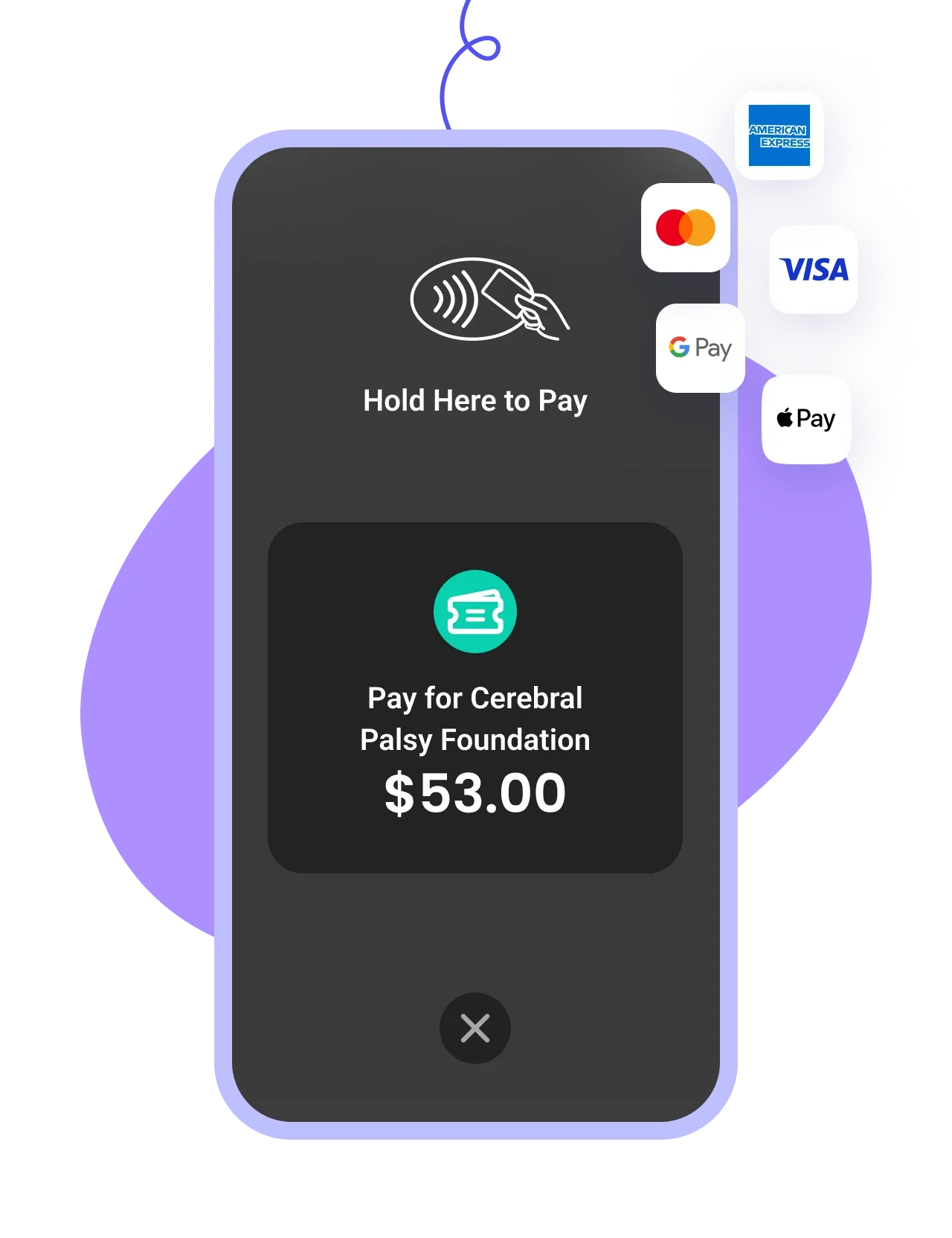
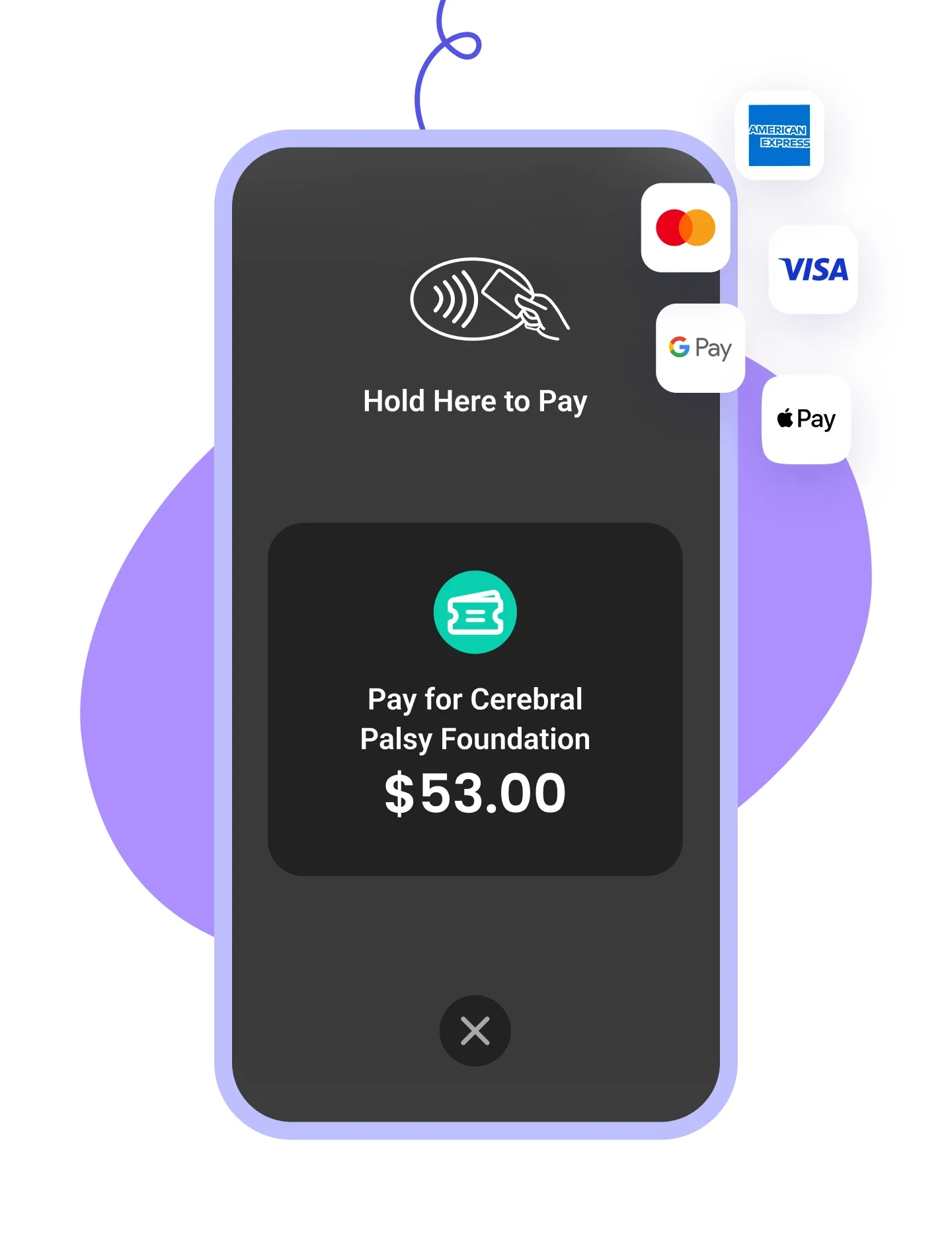
Taking payments at the event with the free Tap to Pay app runs through the same raffle form, so those tickets get numbered, emailed and added to the same participant list as your online sales, with nothing for you to reconcile afterwards.
Pre-printed paper stubs work differently: you keep those on a second raffle form with e-ticket creation turned off, or you ask support to start your online numbering above your printed range so no two tickets can share a number. Either way every ticket ends up with its own number, which is what matters when you draw.
Check first how your raffle needs to be registered, because the limits change what you can run: a small society lottery is registered with your local licensing authority and capped at £20,000 in ticket sales per lottery. Once you know, set up a free raffle form, set your ticket price and any bundles, connect your bank account and share the link. From there Zeffy numbers every ticket sequentially as it sells, emails each buyer their ticket automatically, and builds your participant list as you go. You can cap how many tickets go out, either overall or per ticket type. When you close sales you export that list and draw your winner, and the next question covers how, including the free tool you can use to do it. Our raffle walkthrough covers pricing and promotion.
"Before with our raffles we had to collect the money through PayPal and then email the ticket numbers to the individuals. Now that's all done by Zeffy and with no fees."
Barbara B., Executive Director (G2)
Lottery rules differ across Great Britain and Northern Ireland, and your registration sets what you can run, so check where you stand before you set anything up. One thing to know either way: Gift Aid does not apply to raffle tickets, because the buyer receives a chance to win in return. Our raffle laws guide has the detail on registration, limits and prizes.
If an online draw is permitted where you are, there's a free Zeffy tool for it. Every ticket is numbered as it sells, so you export a list with one row per ticket showing the buyer and their number, paste it into the raffle generator and draw by name or by ticket number, with each entry counted separately so someone who bought five tickets gets five chances. If an online draw isn't permitted where you are, you use that same exported list and draw the way your authority requires.


.webp)