How is Zeffy free?

How is Zeffy free?
Zeffy relies entirely on optional contributions from donors. At the payment confirmation step - we ask donors to leave an optional contribution to Zeffy.
Learn more >
.png)
Matched giving can turn a £100 donation into £225 for your charity. Here is how to make it work.
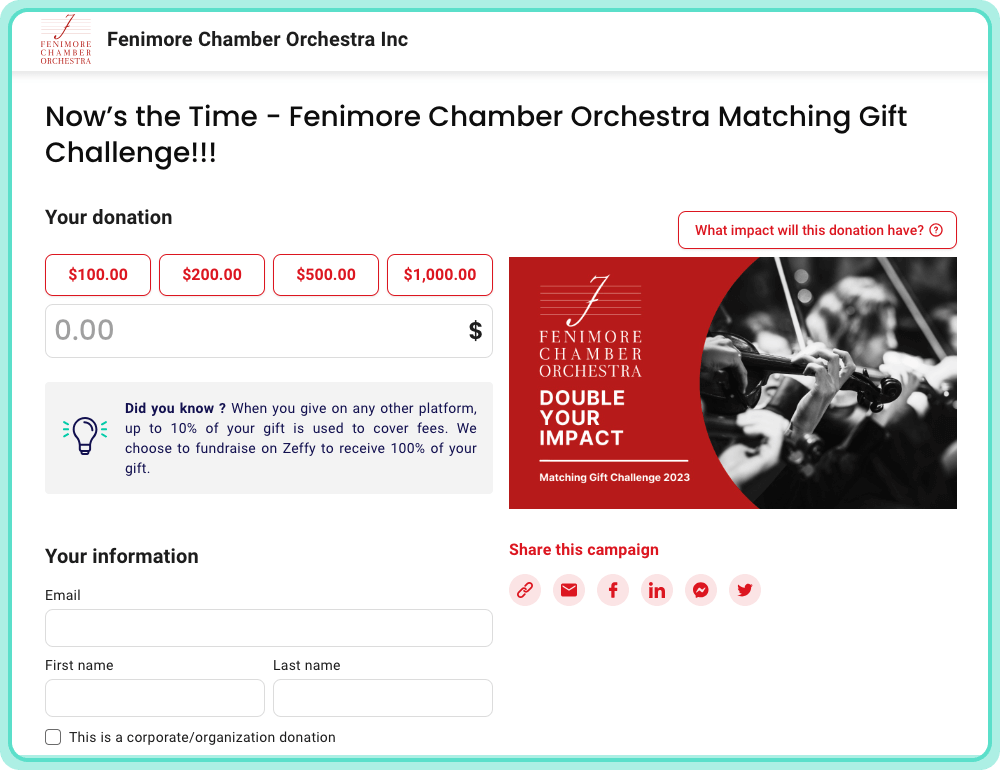
Are you looking for a straightforward way to increase your charity's fundraising income? Matched giving is a powerful tool that many organisations overlook. By tapping into campaign match funds and employer schemes, you can increase the impact of every donation without asking supporters to give more from their own pockets.
This guide walks you through the UK matched-giving landscape, covering both campaign match funding and employer-matched giving, and shows you how to make the most of these opportunities.
In this article:
In the UK, matched giving operates through two distinct routes. Understanding which applies to your charity and your donors is the first step to unlocking this income stream.
Campaign match funding is the more visible route for small charities. A match funder, such as a grant-making foundation, a company, a local authority, or a national body, pledges to match every pound donated during a set campaign window. The Big Give Christmas Challenge is the UK's largest online matched-giving campaign; Crowdfunder UK runs match-fund partnerships with the National Lottery Community Fund, local authorities, and Aviva Community Fund; and the Charities Aid Foundation (CAF) runs periodic match campaigns. Your charity applies in advance, gets accepted for a campaign window, and then promotes the doubling opportunity to its supporters.
Employer-matched giving works at the individual-donor level. An employee donates to your charity and asks their employer to match it. The employer has a corporate matched-giving scheme, often administered through a Payroll Giving Agency such as CAF Give As You Earn, or through a CSR platform like Benevity. The employer then transfers its own matching donation directly to your charity.
Both routes benefit everyone involved:
For example, if a supporter donates £100 to your charity and their employer matches it 1:1, your charity receives £200 from a single £100 employee donation, before Gift Aid even comes into the picture.
While matched-giving schemes share similarities, each company or programme sets its own rules. Understanding the parameters helps your charity maximise participation.
Most schemes have minimum and maximum match amounts, cover only certain types of charity, require proper documentation, and set submission deadlines. Following the guidelines ensures your organisation and your donors qualify.
Every employer follows a different ratio for matching employees' donations.
The majority match at a 1:1 ratio, but others have significantly different standards. Some employers match £0.50 for every £1 their employees donate. Others match at 2:1 or even 3:1, meaning a £100 employee donation triggers a £200 or £300 employer gift.
The match ratio may also depend on the employee's status: full-time, part-time, or retired. Full-time and retired employees typically receive a higher matched amount.
Employers apply minimum and maximum limits to their matched-giving schemes.
The minimum usually starts at around £25, though some schemes begin at £1. The maximum amount varies widely between employers and scheme types. Check each programme's terms carefully.
The type of charity your donor nominates can affect whether the match is approved.
Most UK employer schemes require the recipient to be a charity registered with the Charity Commission for England and Wales, OSCR (Scotland), or CCNI (Northern Ireland), and also HMRC-recognised for Gift Aid purposes. Some schemes additionally require registration on Benevity Causes or the CAF register.
Common exclusions: most employer schemes do not match donations to places of worship, religious charities, political organisations, grant-making trusts, or active military causes. Important for community groups and CICs: unincorporated community groups and most Community Interest Companies (CICs) do not hold Charity Commission registration and will not qualify for most employer-matched giving or Big-Give-style campaign match funding. See the FAQ below for more guidance on this.
Each employer scheme has a different deadline for submitting a matching gift request. Common structures include:
Check the specific scheme's terms to avoid missing the window.

The process below describes employer-matched giving, where an individual donor triggers a match from their employer. Campaign match funding follows a different path (the charity applies to the match funder in advance; see the UK opportunities section below).

The biggest barrier to collecting matched-giving income is lack of awareness among donors. Many supporters simply do not know their employer offers a scheme, or do not know your charity qualifies. A dedicated page on your website changes that.
Your donation page is the ideal place to surface matched giving, so supporters discover the option at the moment they are already giving.
Include a short note about matched giving on the donation form itself, linking through to your dedicated matched-giving page. Prompt donors to confirm whether their employer has a scheme, and remind them to tick Gift Aid on their eligible gift before they complete the form. While a supporter is actively donating, that is exactly the right moment to ask those two questions: "Have you ticked Gift Aid?" and "Does your employer match?"
Mentioning matched giving in your fundraising appeals makes every ask go further. Include it in your newsletter, your social media posts, and any campaign-specific communications.
Social media lets charities connect directly with their supporters and raise more. Donors who engage with your charity online are more likely to share your appeal and take action to support your cause.
Most charities thank donors after a gift. Make matched giving a standard part of that follow-up. It is another opportunity to remind supporters about the option, and to turn a one-time donor into a recurring supporter.
After they donate, share a thank-you message that includes a clear prompt to check their matched-giving eligibility. Focus the message on the impact: explain what the matched gift would make possible. Give every donor the chance to take their giving further.
Read our guide on sending thank-you letters for donations: the principles of a good thank-you letter transfer directly to matched-giving follow-up.
The five programmes below represent the main UK routes to matched-giving income, a mix of campaign match funds and employer-matched giving. The campaign match funds (Big Give, Crowdfunder, CAF) are open to eligible charities directly. The employer schemes depend on your donors' employers having programmes in place.
Type: Campaign match funding
What it is: The UK's largest online matched-giving campaign. During the Christmas Challenge window (typically one week in November or December), every pound donated to participating charities is matched by a 'Champion' funder, a trust, foundation, or major donor who has pledged match funds in advance. Donations are doubled in real time until the match pot runs out.
How to qualify: Charities must apply each year, meet The Big Give's eligibility criteria (registered charity status required), and secure a Champion to pledge match funds. Places are competitive. Start preparing your application well in advance of each year's deadline.
Why it matters for small charities: A successful Christmas Challenge campaign can raise more in one week than many small charities raise in a quarter. The doubling effect is a powerful motivator for donors.
Source: The Big Give
Type: Campaign match funding
What it is: Crowdfunder UK runs a series of match-fund partnerships with the National Lottery Community Fund, local authorities, and corporate partners such as Aviva. When your campaign is accepted into a match-fund round, eligible donations are matched (often pound-for-pound) by the match-fund pot during the campaign window.
How to qualify: Apply through Crowdfunder UK's match-fund pages for the relevant fund. Eligibility criteria vary by fund, some are open to community groups and CICs as well as registered charities, which makes Crowdfunder one of the more accessible routes for organisations that are not yet on the Charity Commission register.
Why it matters: The National Lottery Community Fund match is particularly valuable: it adds both funding and credibility. Crowdfunder's platform also provides public visibility for your campaign.
Source: Crowdfunder UK
Type: Employer-matched giving (Payroll Giving)
What it is: The Charities Aid Foundation (CAF) operates Give As You Earn, the UK's largest Payroll Giving Agency. Employees at participating employers donate directly from their pre-tax salary to a charity of their choice. Because donations come from pre-tax income, tax relief is applied at source, a basic-rate taxpayer effectively gives £1 to charity at a cost of 80p. Many employers top up Give As You Earn donations with their own matched contribution.
CAF also runs the CAF Company Account, through which companies make corporate charitable donations, including matched employee gifts, via a managed giving account.
How to qualify: Your charity does not need to take any action to receive Payroll Giving donations; donors nominate you directly through their employer's payroll. To receive CAF Company Account matched gifts, your charity may need to be registered with CAF's platform. Contact CAF for details.
Why it matters: Payroll Giving is the dominant UK employer-matched-giving route. Unlike Gift Aid, there is no declaration required from the donor, the tax relief is handled automatically through payroll.
Source: Charities Aid Foundation (CAF) | HMRC, Payroll Giving
Type: Employer-matched giving
Match ratio: 1:1
Who is eligible: Full-time and part-time employees
What it is: Microsoft operates a global matched-giving programme, administered through Benevity, that is open to UK employees. Microsoft matches employee donations to eligible charities worldwide. Eligible organisations must meet Microsoft Philanthropies' guidelines and be registered on Benevity Causes, its giving-platform provider. Employees have up to 12 months after their initial donation to submit a matching gift request.
Note on currency: Microsoft's programme is managed globally; maximum match amounts are set in USD. UK employees should check the current equivalent via the Benevity portal or Microsoft's internal employee-giving pages for the up-to-date GBP figure.
How your charity qualifies: Register on Benevity Causes and ensure your charity holds Charity Commission, OSCR, or CCNI registration and is HMRC-recognised.
Source: Microsoft Philanthropies (check the Microsoft internal employee-giving portal for current UK-specific details).
Type: Employer-matched giving
Several large UK employers operate their own matched-giving or Payroll Giving enhancement schemes, including Barclays, Lloyds Banking Group, GSK, HSBC, Aviva, and PwC. Scheme terms, match ratios, and eligibility criteria vary by employer and can change from year to year.
How to find out: Encourage your donors to check with their employer's HR or CSR team, or to search their employer's internal intranet for "matched giving", "Give As You Earn", or "employee charitable giving". Many large UK employers administer their schemes through Benevity or CAF. If your charity is registered on Benevity Causes and with CAF, you are more likely to be eligible across multiple employer schemes without any additional steps.
Important: Do not rely on lists published by third-party websites for current scheme details, ratios and caps change. The employer's own CSR or HR pages are the only reliable source.

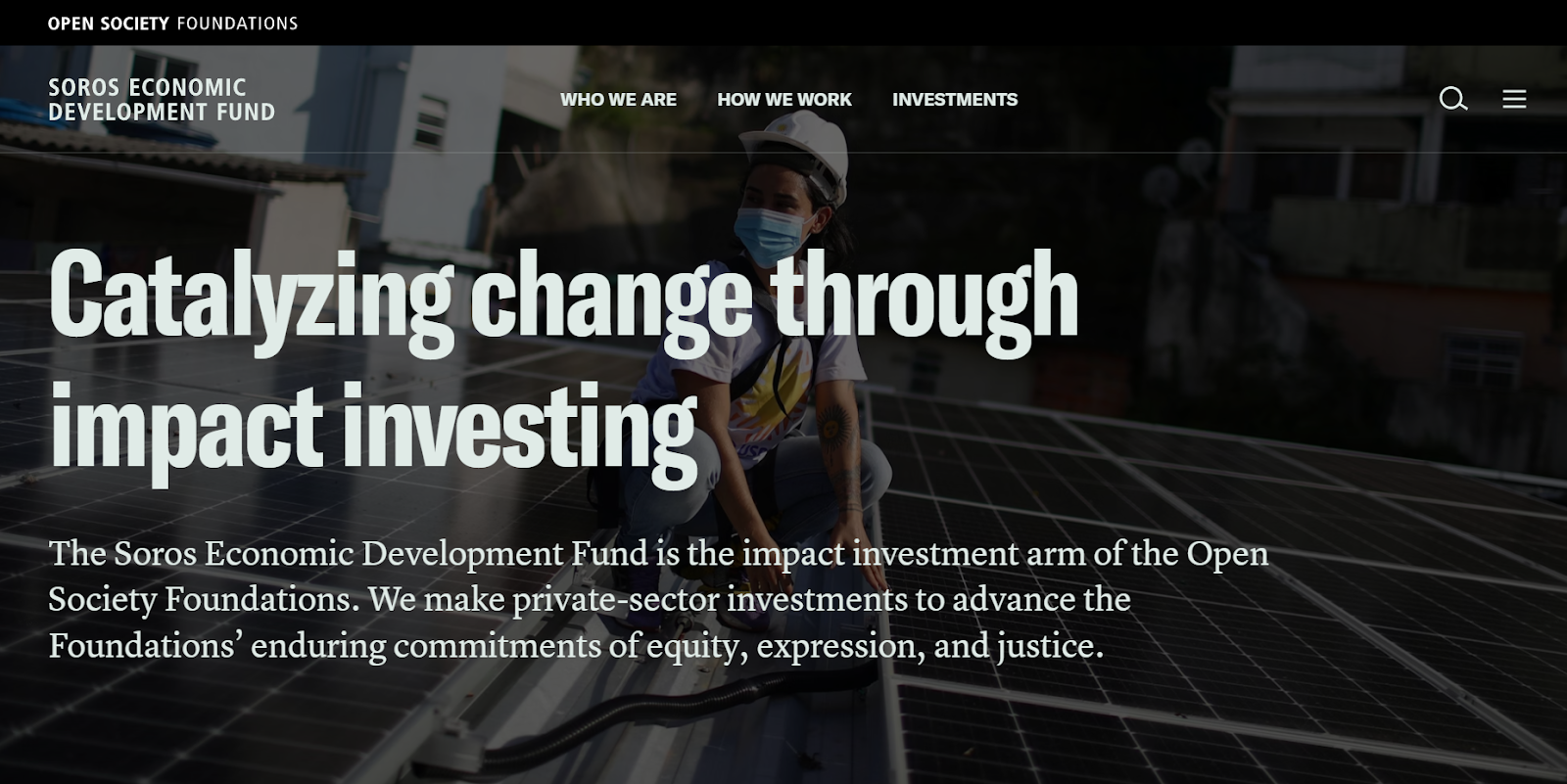


Understanding the Gift Aid interaction is essential, it changes the maths significantly and is a genuine UK advantage over markets without a similar mechanism.
Here is how it compounds on a single £100 donation:
| Step | What happens | Amount to charity |
|---|---|---|
| Donor gives £100 | The initial donation | £100 |
| Gift Aid reclaimed by charity (25p per £1) | HMRC pays the charity 25% of the eligible donation, the donor must have paid sufficient UK income or capital gains tax | +£25 |
| Employer matches 1:1 | The employer's corporate matched gift (a separate company donation; no Gift Aid applies to this portion) | +£100 |
| Total received by charity | £225 |
The key points to communicate to donors:
Ask every donor two questions on your thank-you page: "Have you ticked Gift Aid?" and "Does your employer match donations?"

Matched giving is a practical strategy for charities to grow their fundraising income. By exploring both campaign match-fund opportunities (Big Give, Crowdfunder, CAF) and employer-matched giving (Payroll Giving, Benevity-administered CSR), organisations can significantly increase the impact of every contribution.
To make the most of matched giving, build a dedicated page on your website, promote the option at every stage of the donor journey, and make it a standard part of your thank-you process. The combination of matched gifts and Gift Aid means a single £100 donation can deliver £225 or more to your charity's work.
Start collecting donations for free and give every pound the best chance to go further.
Gift Aid applies to the donor's own eligible donation, not to the employer's matched portion. The charity reclaims 25p for every £1 donated by a UK taxpayer who has paid sufficient income or capital gains tax. The employer's matching gift is a company donation; it is not eligible for Gift Aid, but the company can claim Corporation Tax relief on it as a qualifying charitable donation. For Payroll Giving donations, tax relief is applied at source through payroll, no Gift Aid declaration is required. (HMRC, Gift Aid | HMRC, Tax when your limited company gives to charity)
Matched giving is one of the most effective ways for charities to grow their income without additional fundraising effort. By promoting matched-giving opportunities to supporters, organisations can double or even triple the impact of each contribution. Over time, matched funds, from campaign match pots and employer schemes, can significantly increase a charity's overall income and extend the reach of its work.
Matched-giving schemes from reputable employers and established platforms are legitimate, but it is always worth verifying before promoting one to your donors:
- Research the programme: check the employer's or platform's official website to confirm the scheme is listed and currently active.
- Verify the details: genuine schemes will provide specific information including the match ratio, any cap on the matched amount, eligible charity types, and the submission deadline.
- Use established platforms: schemes administered through CAF, Benevity, or directly through a named employer's CSR page are the most reliable.
Encourage your donors to check with their employer's HR or CSR team. Many large UK employers advertise their schemes on internal intranets under "Give As You Earn", "matched giving", or "employee charitable giving". Schemes are often administered through CAF Give As You Earn or Benevity, if your charity is registered on both platforms, your donors' employers are more likely to be able to match their gifts automatically. The Charities Aid Foundation can provide more information on which employers participate in Give As You Earn.
Eligibility varies by scheme, but most UK employer-matched giving programmes require the recipient to be:
- A registered charity, registered with the Charity Commission for England and Wales, OSCR (Scotland), or CCNI (Northern Ireland).
- HMRC-recognised, holding an HMRC Charities Reference Number, which allows Gift Aid claims and confirms charitable status for tax purposes.
- Listed on the relevant platform, many employer schemes require registration on Benevity Causes or the CAF platform.
Common exclusions: places of worship, religious charities, political organisations, grant-making trusts, and active military causes are excluded from most schemes.
Campaign match funds (Big Give, Crowdfunder) have their own eligibility criteria, which may differ. The Crowdfunder Match Fund, in particular, can be accessible to community groups that are not yet registered charities.
This is one of the most common frustrations for smaller organisations. Most employer matched-giving schemes and Big-Give-style campaign funds require Charity Commission, OSCR, or CCNI registration. Unincorporated community groups and most Community Interest Companies (CICs) will not qualify, because they do not hold registered charity status or HMRC recognition.
There are two practical routes worth exploring:
- Localgiving, a membership platform designed specifically for small local charities and community groups, which runs its own match-fund campaigns and may have more flexible eligibility.
- Crowdfunder UK, some Crowdfunder match-fund rounds are open to community groups and CICs as well as registered charities, making it one of the more accessible options for organisations that are not yet on the Charity Commission register.
If matched giving is a priority, registering as a charity, or exploring whether your CIC meets the threshold for charitable status, is the most straightforward long-term solution.


.webp)


