How is Zeffy free?

How is Zeffy free?
Zeffy relies entirely on optional contributions from donors. At the payment confirmation step - we ask donors to leave an optional contribution to Zeffy.
Learn more >

Charities must establish a solid presence on digital media to raise awareness about their mission and reach more potential donors. Using platforms like social media, websites, and online content, organisations can share their impact, tell engaging stories, and inspire people to support their cause.
This guide covers everything you need to know about digital marketing for charities, including the top 8 strategies to effectively market your organisation online in 2026.
In this article:


Digital marketing for charities involves using online tools and platforms to spread the word about a charitable organisation's mission, connect with supporters, and raise funds.
Whether the steps involve optimising your website and sending email updates, or running social media campaigns and advertising online, the goal remains the same. The aim is to reach a broader audience, strengthen relationships with existing donors, and attract new supporters.
By adopting an effective digital marketing strategy, charitable organisations can share their stories, raise awareness about their cause, and simplify the online donation process. Implementing these marketing strategies plays a crucial role in expanding your base of committed supporters.

Building close relationships with donors has always been challenging and time-consuming, especially for smaller charities with limited staff and volunteers.
Digital fundraising has made reaching out to donors and keeping them engaged much simpler. Now, charities with minimal personnel can use online tools to stay connected with their donors.
Here are the top 6 reasons why having a strong online presence is crucial for charities today.
The internet enables charities to connect with people across the country and beyond, not just locally. Organisations can share news about their work and mission with a wide audience through websites, emails, and social media. This connectivity also allows access to a diverse community of potential donors, volunteers, and supporters.
Your donors are already online, browsing social media, working, or shopping. Charities that offer user-friendly online donation pages optimised for mobile viewing simplify the donation process for supporters. They can donate anytime, anywhere, without inconvenience.
Instead of going out of their way, supporters can learn about a campaign and donate directly from their phone or computer with just a few clicks or taps.
To further ease the donation process, ensure easy access to your online donation form. With a fundraising platform like Zeffy, you can build a free online donation form for your UK charity without incurring platform or transaction fees.
Strategies such as email newsletters, blogging, video content, social media, and website SEO optimisation allow charitable organisations to promote their missions cost-effectively.
These approaches enable even smaller charities to establish a strong brand presence, increase awareness, and affordably attract new donors or volunteers.
The internet allows charities to forge and maintain lasting relationships with supporters, beyond mere one-time donations. By sending regular email updates about their activities, charities keep supporters well-informed and cultivate trust.
Social media allows charities to interact by answering questions and expressing gratitude. Such interactions help supporters feel valued and integral to a community united by a common mission.
Building credibility is essential to earning lasting donor support and trust, and a professional website plays a crucial role. It establishes an organisation as trustworthy and accountable. Potential donors must easily verify credentials before donating, making an informative online presence vital.
For charities, being discoverable online is crucial for organically reaching potential new supporters. Strategies such as SEO to rank higher in relevant searches, promoting across social media, and encouraging positive reviews all contribute to boosting your organisation's online visibility.
Before diving into the strategies, it is worth understanding the context that makes digital marketing for UK charities distinct from generic advice.
Gift Aid is your always-on multiplier. For every £1 a UK taxpayer donates, your charity can reclaim 25p from HMRC, turning a £100 donation into £125 at no extra cost to the donor. Every digital channel you use should route supporters to a form that captures a Gift Aid declaration. Prompt donors at the point of giving, include a declaration link in your welcome email, and keep signed declarations for at least 6 years.
UK GDPR and PECR govern all email and SMS marketing. Before you send a single email or text, you need a lawful basis under UK GDPR and, for direct marketing, compliance with the Privacy and Electronic Communications Regulations (PECR). The Information Commissioner's Office (ICO) is the regulator. The ICO published updated charity soft opt-in guidance in 2026, check the latest position before launching campaigns.
The Fundraising Regulator Code applies to your online activity. The Code of Fundraising Practice (effective 1 November 2025) includes a new Section 9 covering online platforms. Every platform you use to fundraise, including social media and crowdfunding pages, falls under its principles: legal, open, honest, respectful.
The UK has three separate charity regulators. Do not treat the UK as monolithic. England and Wales: the Charity Commission (CCEW). Scotland: the Office of the Scottish Charity Regulator (OSCR), all charities register regardless of size. Northern Ireland: the Charity Commission for Northern Ireland (CCNI). If your charity operates across borders, you may need to register with more than one regulator.

Increasing awareness and engagement through digital channels requires careful planning.
Establishing a system for creating and distributing your marketing content is essential. This approach will enable you to scale your charitable organisation efficiently and keep your team and resources manageable.
Do you want to reach new supporters and volunteers? Is your goal to increase online donations? Each digital marketing campaign should have a unique goal that directs your strategies.
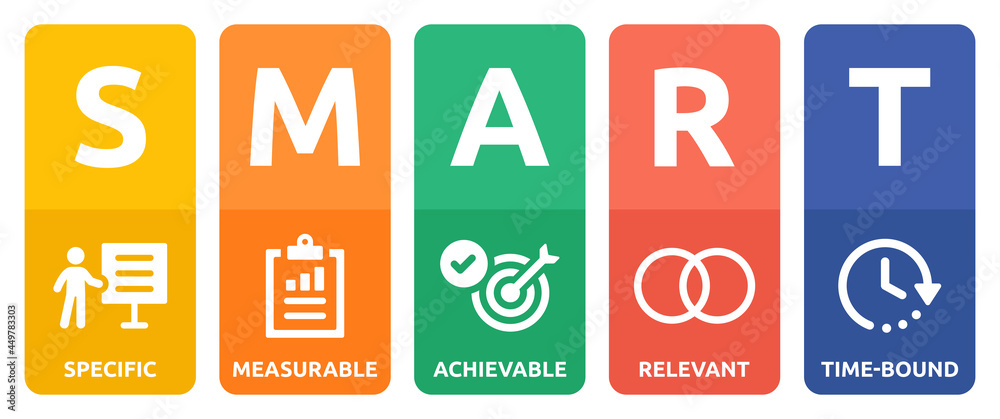
A SMART goals framework can help you establish clear goals. This framework emphasises five key elements essential to clear goal-setting:
Knowing your target audience helps you prioritise their preferred channels and tailor your messaging to resonate with them more effectively. For instance, an email message targeting donors will vary from one designed to recruit volunteers.
A supporter persona includes details like name, age, education, occupation, communication preferences, charitable goals and history, and motivations for supporting your charity's cause.
Create separate personas representing the different audiences you aim to engage. Use a fundraising CRM to create detailed personas, personalise your messages, and develop compelling content tailored to each group.
Key messages contain information about your charity that you want to convey to your audiences and want them to share further.
It is important to craft your key messages before implementing your marketing strategy. Here is why:
For instance, if your charity supports a local foodbank, the key messages could be crafted as follows: "No one in our community should go without food. We collect, sort, and deliver emergency food to families in crisis every week."
This message can be tailored for different target audiences:
Understanding your target audience will help you narrow down the platforms to use.
Start with the platforms your target audience prefers to engage with. Suppose your target audience comprises young professionals with busy schedules. A long video or podcast may not be the right marketing strategy to engage them. They are more likely to check out and share concise social media posts.
You will require certain free tools for UK charities to leverage the potential of various platforms and streamline your digital marketing strategies. For example:
As you grow your digital marketing efforts, you can explore paid marketing methods like pay-per-click advertising and influencer marketing.
The stacked-tool problem. A typical small UK charity currently pays for JustGiving for donations, Ticket Tailor for event tickets, Crowdfunder for campaigns, a separate CRM, and an email platform. That stack costs time and money on every transaction. Consolidating onto one free platform, with Gift Aid handling built in, removes the stack tax entirely.
Pro tip: Avoid relying solely on a single platform. Engaging your supporters on multiple platforms allows you to reach a broader audience.
You know your goals and audience and have chosen the online platforms to start your charity's digital marketing journey. Next, you must grab your supporter's attention and convince them to act.
Compelling content with the right messaging will help you achieve this. Here are a few tips to create effective content that will inspire and encourage your supporters:
Tailor your messages to the marketing channel you are using. Instagram content should have strong visual appeal with crisp, clear captions. Long, value-packed blog posts with sound SEO practices will work well for your charity website.
Measure your progress against the goals you set in Step 1. Optimise your marketing tactics, efforts, and messages along the way to increase the chances of achieving those goals.
Establish checkpoints throughout the campaign to track key performance indicators (KPIs). Conduct monthly or quarterly reviews to analyse campaign performance.
Here are some examples of KPIs you may track for the different marketing campaigns:


.jpeg)
Email is one of the most effective and least expensive ways to reach supporters and potential donors. It helps you connect directly with people who are interested in your charity.
Before you send a single campaign, make sure you have the right legal basis. Under UK GDPR and PECR, direct email marketing to individuals requires either explicit consent or, in limited circumstances, a soft opt-in. The ICO published updated guidance on the charity soft opt-in in 2026; check the latest position at ico.org.uk before launching campaigns. The Fundraising Regulator Code of Fundraising Practice (effective 1 November 2025) also applies to email fundraising activity.
Here are a few top tips to make the most of your email marketing:
Social media has great potential to grow your community if you use the right strategy and post regularly.
Social media platforms are free and provide ample opportunities to promote your mission and engage existing and potential supporters. You can use these platforms to share the latest updates about your organisation, increase recognition, recruit staff and volunteers, and raise funds by adding online donation pages.
Livestreaming can be a valuable addition to your charity's marketing strategy. Conduct online fundraising events and reach a much wider audience than in-person events allow. It lets you:
Regulatory note: If your livestreamed event includes a raffle or prize draw, you are likely running a small society lottery under the Gambling Act 2005. Most charity online raffles must register with the local licensing authority (£40 initial registration, £20 annual renewal). Key rules: a single draw cannot exceed £20,000 in ticket sales, at least 20% of proceeds must go to the cause, and the maximum single prize is £25,000. Incidental raffles drawn entirely at a physical event need no registration. Also note: ticket sales for events must show the total price including any fees to the buyer at checkout, hidden fees are the most common complaint about online fundraising platforms.
Pro tip: Use tools like live chat and polls during livestreamed events to make them more engaging and drive more donations.
Choose from different forms of content marketing, blog posts, ebooks, videos, or webinars, depending on your target audience, resources, and mission.
Conduct keyword research to identify the most-searched queries and topics you can write about, and plan your content strategy accordingly. A well-planned content marketing strategy will help you:
Pro tip: Repurpose content for various purposes and channels to ensure your content pipeline is never empty.

Your charity's website will be the first place people visit to learn about your mission or how to join it.
The website should reflect your charity's values and purpose and make it easier for visitors to engage and take action. Your visitor's experience should be consistent with all your other digital marketing channels.
Your website is also great for promoting important marketing assets like your blog. Remember to link your social media pages to the website.
SMS or text messages have very high open rates, among the highest of all marketing channels, and help your messages land directly with your audience, even without an internet connection.
Before you send any SMS campaign, be clear on the legal position. Under PECR, SMS marketing to individuals requires explicit opt-in consent, there is no soft opt-in equivalent for texts. Every message must include a free and simple way to opt out, and you must act on opt-out requests promptly. The ICO (ico.org.uk) is the regulator for direct marketing compliance.
You can use SMS to:
Unlike email and content marketing, which depend on an initially inbound audience, influencer marketing for UK charities can connect you with an audience that is already engaged and listening. Building social proof takes time, but collaborating with influencers who people already trust can help you showcase your credibility faster.
Regulatory note: Any paid or gifted influencer partnership must be disclosed clearly under ASA and CAP Code rules, the #ad label is required. If the partnership involves an online fundraising element, the Fundraising Regulator Code of Fundraising Practice (Section 9, new in 2025) also applies.
Once you have found an ideal influencer partner, you can launch different digital campaigns:
Google Analytics tools help you measure the number of visitors to your website, the actions they take, and the performance of your charity's digital marketing strategy.
Google Analytics is the most accessible analytics platform and is completely free. You can integrate Google Analytics with Zeffy to track visitors to your online donation form. Before setting up tracking, configure a consent management solution to comply with UK GDPR and PECR cookie rules, the ICO requires UK websites to obtain consent before setting non-essential cookies.
If you do not have a Google Analytics account already, follow these steps to create one:
Once you have a Google Analytics account, here is how you can use it to strengthen your digital marketing efforts:
Most small UK charities do not have one digital fundraising platform, they have several. A £15 fete ticket, an autumn appeal, a Christmas raffle, and a sponsored 5K run typically requires Ticket Tailor for ticketing, JustGiving for donations, Crowdfunder for campaigns, and a separate CRM for supporter management. Each tool charges fees or subscription costs, and none of them talk to each other neatly.
Consolidating onto one free platform with proper Gift Aid handling removes the stack tax and gives your team a single view of your donors and campaigns. That is the UK-specific case for Zeffy: free, all-in-one, with no platform fee, no transaction fee, and no credit card fee, ever.

Digital marketing for charities offers vast opportunities to attract more supporters and expand the donor base. Online tools like crowdfunding, social media promotion, recurring donation options, and Gift Aid-enabled donation forms have opened up many new ways to find and connect with supporters.
Charities have plenty of affordable digital fundraising tools to choose from, allowing them to find what works best for their organisation. Set up your free Zeffy account and route every digital campaign, donations, tickets, memberships, raffles, through one fee-free platform with Gift Aid handled automatically.
As a charity, the 5 Ps to consider while crafting your digital marketing strategy are:
- Product: Your charity's impact and the work that makes it unique.
- Price: Your charity's expenses and funding needs. Align your fundraising appeals with these needs.
- Promotion: The channels you use to promote your charity's mission and the tactics and marketing tools for each.
- Place: The online locations where supporters engage with your charity.
- People: Open two-way communication opportunities and allow supporters to participate actively in your mission.
Yes, charities must establish a digital presence by implementing a carefully planned digital marketing strategy. A charity marketing strategy can help your organisation engage with a wider audience, raise more awareness, and garner more support. Using websites, social media, online advertising, and email marketing helps your organisation get its message out.
Digital marketing allows organisations to share stories, accept donations online from anyone, find new donors, and keep long-term supporters updated and connected.
Here are a few examples of a digital strategy:
- Execute email marketing by sending personalised emails with valuable content, starting with a Gift Aid prompt in your welcome sequence.
- Set up a social media page to promote your mission and engage with audiences.
- Collaborate with influencers who are relevant to your mission and area of work, ensuring all paid partnerships carry the required #ad disclosure.
- Use SMS to send reminders and quick promotional messages, ensuring you have explicit opt-in consent under PECR before sending.


.webp)


