How is Zeffy free?

How is Zeffy free?
Zeffy relies entirely on optional contributions from donors. At the payment confirmation step - we ask donors to leave an optional contribution to Zeffy.
Learn more >

The wrong way to approach a school fundraiser is by choosing products or services that do not resonate with your community or generate meaningful profit. The most successful fundraisers focus on items people already want, priced in a way that makes it easy for students, parents, teachers and supporters to say yes.
Before diving into the full list, here is a quick breakdown of some of the most reliable items based on cost, pricing and profit potential. This can help you quickly compare options and decide what makes the most sense for your school.
In this article:
UK PTA fundraisers sit within a specific legal and tax framework that US guides do not cover. A few things to know from the outset:
| Item | Category | Estimated cost | Selling price | Profit margin | Difficulty level | Best for |
|---|---|---|---|---|---|---|
| Slime | DIY / crafts | ~£0.50 | £3–£5 | 80–90% | Easy | Elementary, middle |
| Friendship bracelets | DIY / crafts | £0.10–£0.30 | £2–£5 | 85–95% | Easy | Elementary, middle |
| Beaded keychains | DIY / crafts | £0.50–£1.00 | £3–£6 | 70–85% | Easy | Elementary, middle |
| Chips / candy bars | Food | £0.30–£0.50 | £1–£1.50 | 50–70% | Very easy | All ages |
| Popcorn cups | Food | £0.20–£0.40 | £1–£2 | 70–80% | Easy | All ages |
| Pizza slices | Food | £1–£2 | £3–£5 | 50–70% | Medium | Middle, high |
| Custom T-shirts | Apparel | £5–£8 | £15–£25 | 50–70% | Medium | Middle, high |
| Hoodies | Apparel | £15–£25 | £35–£60 | 40–60% | Medium | High school |
| Tote bags | Apparel | £3–£5 | £10–£20 | 60–75% | Easy | All ages |
| Water bottles | Merchandise | £2–£4 | £10–£15 | 60–80% | Easy | All ages |
| Keychains (resold) | Accessories | £0.50–£1 | £3–£5 | 70–85% | Easy | All ages |
| Phone grips / charms | Accessories | £1–£2 | £5–£10 | 60–80% | Easy | Middle, high |
| Bake sale items | Food | £0.50–£1 | £2–£5 | 70–80% | Medium | All ages |
| Pancake breakfast | Event food | £2–£3 | £5–£10 | 50–70% | Medium | All ages |
| Digital coupon book | Digital | ~£0 | £10–£25 | 90–100% | Easy | High school |
| Event tickets / raffles | Digital / events | Minimal | £5–£50 | 80–95% | Easy | All ages |
Explore the most profitable things to sell for school fundraisers:
If you have ever seen pupils selling snacks between classes or small items to their friends, you have already seen these patterns in action.
At a smaller scale, students naturally gravitate towards items that are easy to buy, affordable and appealing in the moment. These same principles apply to larger school fundraisers, just with more structure and planning behind them.
Understanding these patterns can help you choose ideas that are more likely to succeed, rather than guessing what might work.
A common approach is buying in bulk from a UK cash-and-carry such as Costco UK, Booker or Bestway, or from a supermarket bulk aisle, and selling items individually. For fundraisers, this model scales easily through snack carts, event stands or bundled deals.
These items work particularly well for school fundraisers because they can involve students directly in making or customising products.
They are also easy to bundle or pair with other items to increase average purchase value.
These are ideal for larger fundraisers, events or back-to-school campaigns.
These work especially well during school events, sports days or community gatherings.
These options remove the need for inventory while still generating funds.
No matter what you choose to sell, a few small decisions can have a big impact on how well your fundraiser performs:

Before starting any fundraiser or student-led sales, it is important to understand your school's rules. Policies can vary widely, and checking first can help you avoid having items taken away or your fundraiser shut down.
Most schools require some level of permission, especially for selling food or collecting money. A quick conversation with a teacher, the headteacher or the school office can clarify what is allowed and how to move forward.
Not every school fundraiser needs to rely on purchased inventory. Some of the most effective ideas come from items students can make themselves, especially when you want to keep costs low and involve them directly.
Student-made items consistently deliver 70 to 95% margins while also increasing participation and engagement. They are one of the most accessible ways to run a low-cost, high-impact fundraiser.
For smaller fundraisers or classroom-led efforts, DIY items are easy to test and quick to produce in batches.
Raffles are one of the most popular earners at UK school fairs, but they are regulated as lotteries under the Gambling Act 2005. The rules depend on how you sell the tickets.
Incidental non-commercial lottery (no registration needed): tickets are sold and the draw is held entirely at the event on the same day. No advance sales, no council registration required. This covers the typical summer-fair or Christmas-fair raffle table.
Small society lottery (registration required): if tickets go home with pupils in advance, or are sold before the event day, the PTA must register with the local licensing authority (your local council). Key figures:
Source: Gambling Commission, small society lotteries guidance
Important: Gift Aid does NOT apply to raffle tickets. Because the donor is receiving a chance to win, HMRC treats this as a purchase of goods or services, not a donation.
For HMRC-recognised PTAs, Gift Aid can be claimed on genuine donations. A donor who makes a straight cash donation at your fair, ticks a Gift Aid declaration, and pays enough UK income tax, allows your PTA to reclaim 25p from HMRC for every £1 they give.
Gift Aid CANNOT be claimed on: ticket sales, raffle ticket purchases, bake-sale purchases, second-hand uniform sales or auction lots (all are goods or services).
Gift Aid Small Donations Scheme (GASDS): HMRC-recognised charities can claim a 25% top-up on small cash or contactless donations of £30 or less, without a written declaration, up to £8,000 per tax year in eligible donations. This is particularly useful for bucket collections at fairs. Source: HMRC Gift Aid guidance
A typical UK primary or secondary school PTA running a well-planned fundraising calendar can raise £2,000 to £10,000 from a single school fair. The most reliable model combines several income streams at one event.
A summer fair or Christmas fair often includes:
The pattern works because it combines high-margin, low-effort items (raffle, branded goods) with community draws (bake sale, refreshments) and removes friction for parents who no longer carry cash to school events.


There is always a tendency for students to ask their parents to buy pastries when they come for school pick-up or a fundraising event.
Set up a pastry stall, collaborate with a local baker and sell doughnuts for your school fundraiser. As a bonus, you can do some branding to promote local businesses among your school community.
This is one of the best fundraising ideas for schools because popcorn is one of the best snacks to sell at any event. It is popular with all ages. Popcorn is not only for film nights; you can sell it to raise funds during daytime events too.
Work with a local popcorn supplier and sell popcorn in different flavours. Make sure the popcorn stand is positioned close to the busiest spots at the fundraising event.
There are two ways to leverage the universal appeal of pizza for school fundraising:
Pupils love sweets, and so do their families. To raise funds, partner with a local sweet shop and get a wrapping-paper bundle to package chocolate bars and sweets.
Look out for birthdays and sell sweets to birthday pupils so they can gift their classmates during celebrations. Collect donations and celebrate your wins.
The Macmillan Coffee Morning in September is the UK's most recognised bake-sale moment. PTAs can piggy-back the branded occasion for local awareness, or run their own coffee-morning bake sale in the same slot and direct proceeds entirely to the school. Find resources at Macmillan Cancer Support.
Ice cream is an enjoyable food fundraiser for schools. Connect with a local business or ice-cream supplier for a stall at your summer fair, especially when parents arrive for pick-up or during the holiday season.
Tea and hot drinks are among the best-performing refreshments at school fairs and meetings.
For example, during PTA meetings or events in the school hall, you can sell hot drinks to parents, teachers and community members and keep the proceeds for school funds.
Sell apples coated with toffee, chocolate or caramel for a fundraiser with a seasonal twist. These are particularly popular at autumn and Halloween events.
Not everyone wants a quick snack; some supporters may want a hot meal, and pasta is one of the best options. It is quick to prepare so students and donors can be served promptly.
Organise weekly pasta lunches during the school day and donate the profits to your fundraising pot.
Work with parent volunteers and set up an attractive stall to sell cakes, biscuits and other baked goods. Offers like 'two for the price of one' or 'buy a brownie, get a hot drink' go down well.
Bake sales are one of the most popular school fundraising ideas at all age groups. Families love baking, and school communities love home-made goods. You cannot go wrong.
Partner with a local baker or wholesale supplier for high-quality sausage rolls. Sell during meetings, at school events and at sports fixtures.
You can sell these at the school sports hall to athletes and parents looking for a quick, satisfying snack. Collect donations and gather rave reviews.
Sell small bundles that include a sweet treat and a handwritten or printed note. These are especially popular around Christmas, Valentine's Day or as peer-to-peer gifts between pupils.
Sixth-form students and older secondary pupils often enjoy buying biscuits or snacks at lunchtime alongside a soft drink or juice. It is a profitable and simple option for your school's fundraising efforts.
Pancake Day (Shrove Tuesday, usually in February) is the perfect moment to run a pancake breakfast or lunch fundraiser. Partner with your school's kitchen staff, sell tickets in advance via Zeffy and serve pupils and parents a warm start to the day. Proceeds go straight to the school fund.


Selling branded T-shirts is a great school fundraising idea. Schools can create T-shirts with their logos and slogans. Parents and students are keen to wear these and help raise the school's profile in the community.
You can combine a school event with a T-shirt stall outside the entrance and raise school spirit. Everyone benefits.
One of the most reliable UK PTA fundraisers. Stock costs nothing (donated by families whose children have outgrown items), and parent demand is consistent, especially at the start of the autumn and spring terms. Pair with digital ticketing on Zeffy for an early-access preview slot priced at £1 to £2 per family.
Most students take a lunch box to school every day. Sell lunch boxes with your school logo and name printed on them. Make it part of the welcome kit for new pupils.
Doing this helps your school raise more money while giving families a practical, lasting item.

In sixth form and at university, tote bags are popular. It is a good fundraising idea for older secondary students and sixth-formers. Customised tote bags can be sold to students, teachers and parents. You can also set up a referral programme so that supporters can sell to family members.
Students outgrow their clothes quickly. Host a gently used clothing sale, sell tickets for entry, and invite parents, teachers and students to donate clothes that no longer fit. Organise an afternoon of browsing and activities.
Students feel proud carrying a school bag personalised with their name and the school logo. Price these competitively compared to high-street alternatives and watch how quickly they sell.
Students will want to carry their bags to the local park and throughout the school year. This can foster school spirit and help schools raise money.

Water bottle fundraising is one of the most practical school fundraising ideas, combining everyday use with brand visibility. Custom-branded reusable water bottles support a specific cause while reducing single-use plastic.
Towels make a thoughtful gift for end-of-year events. Invite parents to contribute a small amount for an end-of-year celebration and receive a towel as a keepsake with the school's name on it.
It is one of the easiest fundraising ideas because everyone can always use another towel, and it doubles as a memento.
People cherish mugs, especially older secondary and sixth-form students, and selling them is a reliable way to generate funds. They are even more appealing when branded with the school logo.

Teachers and students wear caps often, especially during sports days, rallies and outdoor events. Customised caps can be sold to support the school's fundraising and to foster a sense of belonging. They also serve as lasting mementos.
Collect spare or lightly used shoes from donors, recruit volunteers, promote widely and partner with a shoe-recycling facilitator. Once the shoes are collected and passed on for recycling, the school receives a payment. It is a low-effort, low-cost earner.
During the autumn and winter months, students, teachers and parents need to stay warm. Order branded hoodies with the school logo, slogan and, optionally, the student's name.
Sell them to new and returning secondary students to build school spirit.

Schools can raise a useful sum by selling branded umbrellas. Price these at end-of-year or Christmas events and gift customised umbrellas. Keep the price point cost-efficient as margins are modest.
Students always need socks. Offer two pairs of branded socks at a low cost and watch sales increase quickly. You can even include these as a deliverable for students buying new school uniforms.
Leggings are popular across age groups. Customising them in different sizes and colours reduces the burden on parents who constantly need to restock. Run a 'buy one, get one free' offer and collect donations alongside.
Pro tips for this category:



Bundle together highlighters, pens, flashcards and sticky notes into a ready-to-use study kit. These are especially popular around exam periods and can be sold as a convenient, all-in-one solution for students.
Combine snacks, school supplies and small comfort items into exam care packages. These work well as pre-order items for parents or as limited bundles sold during mock and exam seasons.
Sell simple planners or assignment trackers that help students stay organised throughout the school year. These can be customised with school branding or designed as printable or digital downloads.
A local discount card is a well-established UK PTA earner. Partner with local businesses (a café, hairdresser, hardware shop, sports centre) willing to offer a small discount to cardholders for a year. Sell the card for £5 to £10. It gives parents genuine value and costs the PTA almost nothing to produce. A digital version works well for older secondary and sixth-form students. This is a great fundraising idea for PTAs.
Students and teachers use notepads constantly. Customised notepads with the school logo and name are a perennial seller. In many schools, the cost of branded stationery is folded into the start-of-year supply list, making these a natural add-on sale.
What is a school without a pen? Your school can brand pens with the school name and offer limited runs to students and teachers to drive early interest.
Branded stationery is one of the top school fundraising ideas because it gets pupils and parents engaged in the school's fundraising while providing a practical item they will actually use.
Some students may be undecided about purchasing textbooks through the school or from an external bookshop. Offering them through the PTA at a competitive price, while guaranteeing the correct edition, is a reliable way to raise funds.
Students use art materials for fine art and applied topics. Watercolours, crayons, drawing pencils and drawing boards can be sold to raise funds. You can customise these with the school's name and logo for an added touch.
Schools can raise funds by selling online tutorial subscriptions for students in exam year groups, giving them access to practice questions, video tutorials and revision tools.
Students engage enthusiastically in creative DIY activities. Tie-dye kits, papier-mache sets and painting packs draw students' interest and inspire parents to buy them as gifts.
Craft kits are one of the top school fundraising ideas because they get pupils and parents engaged in a shared activity.
Apart from customising these with your school logo and name, you can brand envelopes with different purposes: birthday envelopes, Valentine's card envelopes or end-of-term results envelopes. Community members can use them with pride and your school raises money in the process.
Most parents and students want to keep up with the academic schedule for each year. Selling customised school calendars can be a reliable way to raise funds, especially if each calendar features a photograph of each class.
This is a great item for primary school and lower secondary fundraisers. Pupils love to draw and experiment with colour. Add different themes and illustrations. Brand it with your school logo and market it beyond the school community.
Students in secondary school, sixth form and university use calculators for mathematics and science. Partner with a calculator brand to sell calculators with the school name printed or engraved on them as a keepsake.
It is one of those fundraising ideas that will benefit everyone and last a long time.



Organise a trivia or game night and sell entry tickets to participate. This is a simple way to raise funds while creating an engaging group event for the whole school community.
Charge a small fee for students to participate in a talent show or performance event. You can also sell audience tickets to increase total fundraising revenue.
Host a school film night and sell entry tickets. Adding snacks or bundled deals can help increase overall sales during the event.
For younger primary school pupils, parents often look for creative building blocks, illustrations and puzzle cards. Your school can produce creative game books and illustration packs and sell them at an affordable price.
During cultural exhibition events, encourage parents to prepare a variety of dishes from their backgrounds. Host a tasting contest, add a registration fee and give prizes to the most popular dish. A wonderful way to celebrate the school's diversity.
Educational video games and app subscription credits can support learning during breaks and free periods. Games that test knowledge and cognitive speed are popular with secondary students and make for a straightforward fundraising sell.
Sell flashcards, board games or subscriptions that make learning a new language fun for students, teachers and parents. Schools that offer foreign languages as courses will find this especially popular.
Pupils love to wear their favourite character costumes. Whether it is a popular film hero or a beloved storybook character, dressing up is great for school fundraising. Get a range of costumes and sell them to parents for parties and events.
After the event, you can collect the costumes as donations and sell them again the following year. What could be more fun than an annual costume party fundraiser?
Balloon pops are exciting and fun fundraisers for students of all ages, particularly younger pupils.
Fill balloons with small prizes or messages and sell them. Participants pop the balloons they have bought to find out what they have won. It is simple to run and always generates a buzz at school fairs.
The Christmas fair grand raffle is the anchor event of most UK primary school PTA calendars. Ask local businesses to donate prizes (a hamper, a restaurant voucher, a salon gift card, a sports-club session). If tickets go home in book form ahead of the fair, register the small society lottery with the local council. You can also sell tickets online via Zeffy alongside the in-person stall. Source: Gambling Commission, small society lotteries guidance


A practical and popular item for outdoor sports teams and cross-country runners. Customise with the school logo and colours and sell as part of the sports kit range.
Students in secondary school and sixth form go to laboratories for practical lessons. Partner with a glove supplier to provide customised gloves sold to students. You can also invite donors to contribute to a stock of gloves for school cleaners.
Some pupils spend a lot of time outdoors during break. Selling branded hand sanitisers encourages good hygiene and is a simple, low-cost product to stock.
Some parents and teachers do not have a first aid kit at home for emergencies. Partner with a local first-aid supplier or St John Ambulance for training and product bundles, and offer these at a small discount through the school.
During fundraising events, set up a stall for workout apparel. Sell hair bands, trainers, workout kits and small fitness accessories for students. Parents find this appealing since they often take their children to outdoor sports and activities.
This is a great product to sell at primary and secondary school. Pupils ride bicycles at home and for safety purposes they need a helmet. Sell customised, well-fitted headgear in a range of sizes. RoSPA strongly recommends helmets for young cyclists.

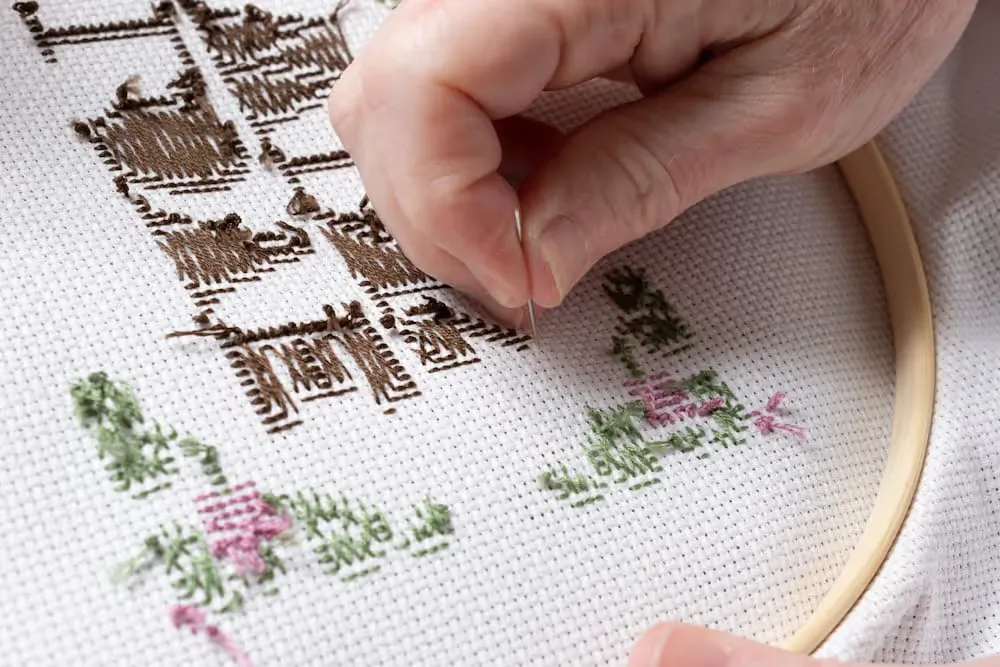

Put together small kits with magnets, mini mirrors, organisers and decorative items for lockers. These are especially appealing to secondary school students who want to personalise their space.
Create bundles with items like lip balm, face masks, candles or bath products. These are easy to package and feel more valuable as a set than as individual items.
Offer pre-made gift bundles for common occasions such as birthdays, Christmas or teacher appreciation. These save buyers time and tend to sell well because they are ready to give.
From chalkboards where guests can write messages to 'Headteacher of the Year' signs and other fun expression props, these can be sold during photography events or used at school fairs to raise more money.
A customised wristband is a popular and affordable fundraising item. Many charities and community organisations sell these widely. Partner with a wristband manufacturer to create branded bands and sell them to anyone associated with the school.
Secondary school students enjoy expressing their creative imagination during holiday seasons. Set up a competition, ask for donations and supply kits for holiday projects. When school resumes, you can auction a selection of finished artworks.
Similarly to embroidery kits, you can sell crochet kits to students who want to create clothing and accessories. Offer prizes for the best finished item and showcase the results.
Ask parents and teachers to donate minimally worn jewellery or spare beads. Host a jewellery-making competition for students to showcase their creative skills. Parents and teachers can then purchase the finished pieces.
As a keepsake for students and parents, sell customised fridge magnets. Add your school logo and slogan for a lasting memento of school life.
During Halloween, Christmas and other seasonal celebrations, sell decor ranging from costumes to caps and festive decorations.
A key holder is a useful everyday item in any household and doubles as a souvenir. Add your school motto or slogan and sell to parents during fundraising events.
Inspirational quotes or your school motto can be turned into wall art that students and parents display at home. Selling these prints is a memorable fundraiser that keeps the school in mind long after the event.
Car stickers serve as keepsakes and a form of advertising. Sell branded car sticker designs to parents and teachers. It is a straightforward way to raise your school's profile in the local community.
Door stickers are keepsakes and an advertising medium. Encourage supporters to use them on their front doors to show their connection to the school.


Sell LED strip lights or small decorative lighting for bedrooms or desks. These are popular with secondary school students and have strong resale appeal due to their visual appeal.
Offer compact desk fans that students can use at home or during warmer months. These are practical, easy to source and simple to sell at an affordable price point.
If your school has a computer suite with gently used laptops to clear, put a few on auction and let the highest bidder win. This is a reliable way to raise a larger sum per item.
Students in secondary school and sixth form use USB flash drives regularly to store and share work. Sell these in a customised sleeve with the school logo.
Partner with an earbuds brand and get limited gift cards or discount bundles. Share with parents who are interested in earbuds at a reduced rate.
A customised phone case makes a personal and appealing fundraising product. Reach out to supportive donors with a free case first, then run a pre-order campaign. By then, other supporters are likely to want one too.
Partner with a local VR venue and sell tickets to a VR experience event for parents and students. Align the experience to the audience: gaming sessions for younger students, immersive experiences for adults.
A pop socket or phone grip is a simple accessory that attaches to the back of a phone. Add your school logo and sell as a low-cost branded item. Make sure the adhesive is strong and of good quality.
If students have a laptop, they need a sleeve for it. Add laptop sleeves to a bundle with other tech accessories and increase the average sale value.
Younger pupils often use tablets rather than laptops. Sell branded tablet sleeves to their parents. Imprint your school logo and motto on each one.


Most primary and lower secondary school pupils take swimming lessons. Sell swim goggles, caps and custom towels to their parents. As a bonus, offer to publicise monthly swimming lesson slots at school.
Pupils play football constantly. Branded school footballs and training kits are a natural sell. Making branded kit part of the PE requirement encourages consistent purchases from parents.
Students find a real sense of community in joining the sports team. Sell branded school sportswear and make it part of the standard kit that parents purchase at the start of each year.
Host a skateboarding contest during sports hours. Encourage students who own skateboards to register and participate. Sell entry and spectator tickets. Give out prizes in return.
Create customised yoga mats with the school logo. As a bonus, offer online yoga sessions for parents, teachers and students and set a ticket price for those who want to join.
Many schools have gently used tennis rackets and balls. Put them on auction and let the highest bidder take them. You can also partner with local gym centres and sports brands to sell gently used sports equipment.

Successfully raising funds for your school requires more than just having valuable items to sell. It is about fostering a sense of community, consistently engaging supporters in meaningful ways and building lasting relationships.
The following tips make selling items easier and encourage long-term relationships with your school's supporters.
Before you start selling items, make sure you have built an engaging community of school supporters, parents and teachers. Create an online group and invite parents to share ideas and communicate with the PTA committee.
Make sure all your marketing materials are consistent with your school's branding. Always use the same logo, colours and fonts. This allows your campaign materials to be immediately recognisable, and supporters will know it is their school's fundraiser right away.
Do not rely solely on one channel for promoting your school's fundraising campaigns. Distribute posters, videos and social media content consistently so you can reach more potential supporters and new families.
Maximise your online presence and email lists. Take the message to the local community via promotional events. Partner with local media for publicity.
Offer rewards and recognition for active supporters within your school community. For example, you can publicise supporters' businesses in your school's yearly newsletter. This act of gratitude encourages them to give more to your school.
Once you have decided what to sell, the next step is making it easy for people to actually buy. That is where Zeffy comes in. It is the only platform that lets UK PTAs, parent-teacher associations and charitable organisations raise money online without paying a single penny in platform fees. Genuinely 100% free.
Whether you are selling baked goods, school merchandise, raffle tickets or tech accessories, Zeffy helps you set up an online shop, accept donations, manage ticketed events and run auctions or membership programmes, all in one place. No hidden fees, no complex setup, no cuts taken from your funds.
A typical UK PTA runs a summer fair (raffle, food stalls, entry tickets), a Christmas fair, a sponsored event and an autumn appeal, and currently pays for Ticket Tailor, a card reader, a donation platform and a spreadsheet to manage it all. Zeffy replaces that entire stack, free, with Gift Aid handling built in and tap-to-pay from a phone so you can take card payments at the fair without a card reader. Useful now that fewer parents carry cash to school events.
Used by over 100,000 organisations worldwide and with more than £2 billion raised, Zeffy is built to help you launch your school fundraiser quickly and keep every pound you raise.
The most profitable items for UK school fundraisers are snacks and sweets, baked goods, branded school merchandise (hoodies, T-shirts, tote bags), raffles (run as a small society lottery if tickets are sold in advance) and second-hand uniform sales. These combine low upfront cost with strong, consistent demand from the school community.
well-planned UK primary or secondary school fair typically raises between £2,000 and £10,000, depending on the size of the school community, the number of income streams at the event and how effectively digital ticketing and online sales are used alongside in-person stalls.
Yes, but the rules depend on how you sell tickets. If tickets are sold and the draw is held entirely on the day of the event, it is an incidental non-commercial lottery and no registration is needed. If tickets are sold in advance (for example, sent home with pupils before the fair), it becomes a small society lottery and the PTA must register with the local council: £40 initial fee, £20 annual renewal. The draw must be within a £20,000 single-draw cap, at least 20% of proceeds must go to the cause, and a return must be submitted within 3 months. Source: Gambling Commission
Gift Aid can only be claimed on genuine donations from UK taxpayers who have signed a Gift Aid declaration. It cannot be claimed on ticket sales, raffle ticket purchases, bake-sale items, second-hand uniform sales or auction lots, as all of these are classed as goods or services by HMRC. If your PTA is HMRC-recognised, you can claim 25p per £1 on straight donations, and use the Gift Aid Small Donations Scheme (GASDS) for cash and contactless donations of £30 or less at fairs, up to £8,000 per tax year. Source: HMRC Gift Aid guidance
Any food sold at a school event must comply with the school's own food policy and the Food Standards Agency guidance on allergens. Under Natasha's Law, pre-packed food prepared for direct sale must be labelled with the full ingredients list and allergen information. At bake-sale stalls it is good practice to label every item clearly with its ingredients, particularly the 14 major allergens. Check your school's food policy before selling home-baked goods.
Many UK parents no longer carry cash to school events. PTAs can take card and contactless payments at fairs using a smartphone tap-to-pay solution or a low-cost card reader. Zeffy lets PTAs accept card payments at events with no platform fee, so every penny goes to the school fund.


A comprehensive guide to school fundraising ideas for UK PTAs, school charities, and community fundraisers. Covers every school phase from primary to university, with UK-specific guidance on Gift Aid, small society lottery rules, and the best UK fundraising platforms.

%201.svg)
UK school fundraising groups lose hundreds of pounds every year to hidden platform fees and Gift Aid charges. This guide compares the 8 best fundraising platforms for UK schools, PTAs, and parent groups in 2026, with honest fee comparisons and UK-specific advice on Gift Aid, small-society lottery licences, and GDPR compliance.

From toffee apples and tombolas to haunted trails and cinnamon doughnuts, this guide collects 38 autumn fair ideas for UK schools, with PTA charity registration tips, Gambling Act raffle rules, and Gift Aid guidance built in.

.webp)


